
Eight travellers. One vast sea. Eight different ways to reach the other shore.
One of China’s best-loved legends begins with the Eight Immortals (八仙) arriving at the shore of the Eastern Sea. They share a destination, yet each has a different personality and set of powers. Their adventure inspired the saying 八仙过海,各显神通 — “The Eight Immortals cross the sea, each displaying their own extraordinary powers.”
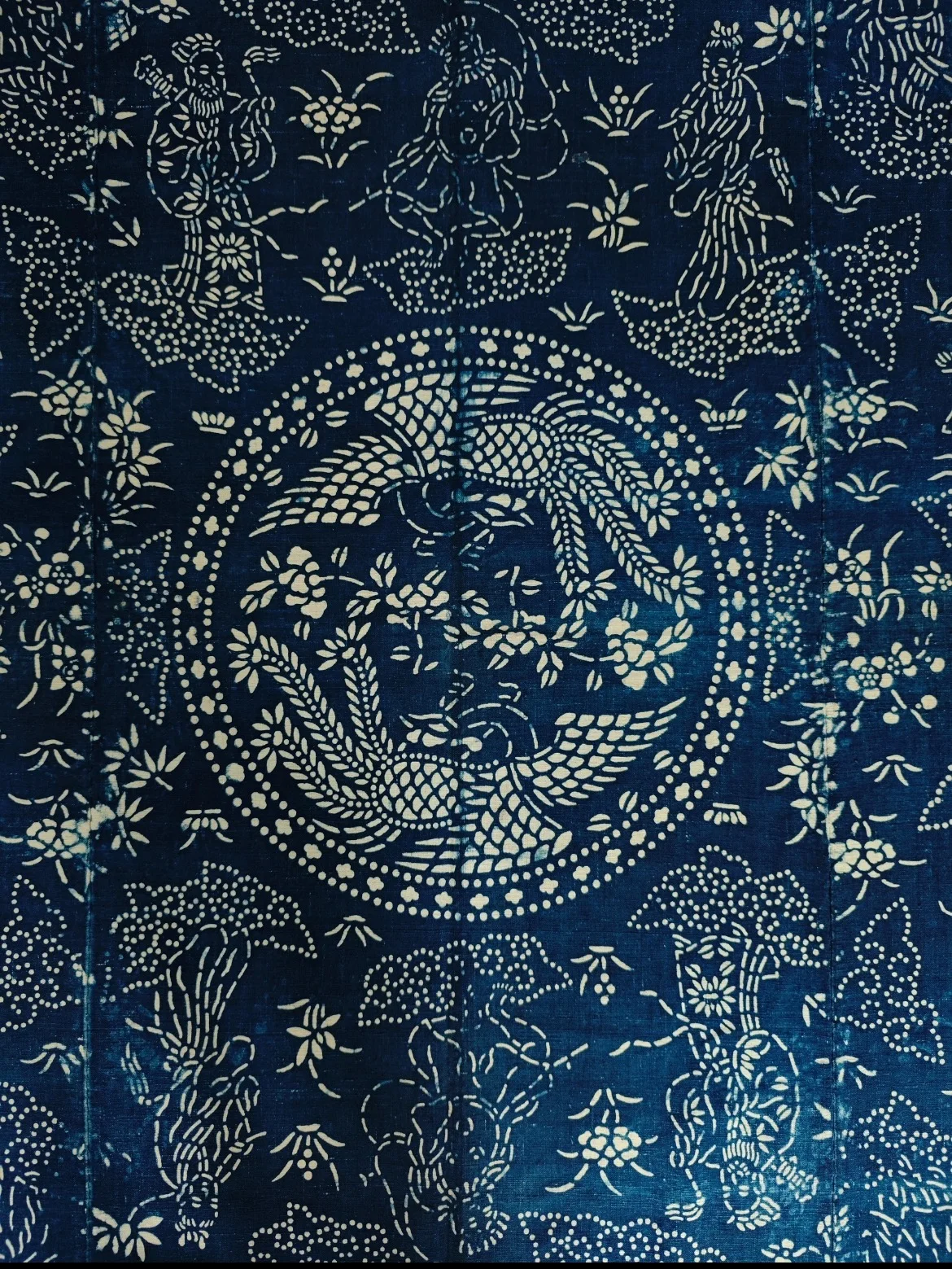
The Story: Eight Immortals Crossing the Sea
In a traditional telling, eight legendary figures travel together after a celebration and arrive at the Eastern Sea. The waves rise before them and the far shore is nowhere in sight. They could use their supernatural powers to fly, but instead they choose a playful challenge: each will cross the water using a different special object or ability.
They set off one after another. An object becomes a vehicle; the sea turns into a stage for unusual talents. Different written and oral versions add their own details, and some include a dispute with the Dragon King before the adventure comes to an end.
What endures is the contrast between their personalities and the way each approaches the same task. The proverb 八仙过海,各显神通 still describes people drawing on different strengths to solve a problem.
Eight people meet one challenge — and show eight ways forward.
Meet the Eight Immortals — One by One
These eight separate illustrations show the traditional identifying emblem of each immortal. They are taken from a modern reference drawing supplied for this study, not from the historic textile itself. The names and emblems follow the conventional decorative set.
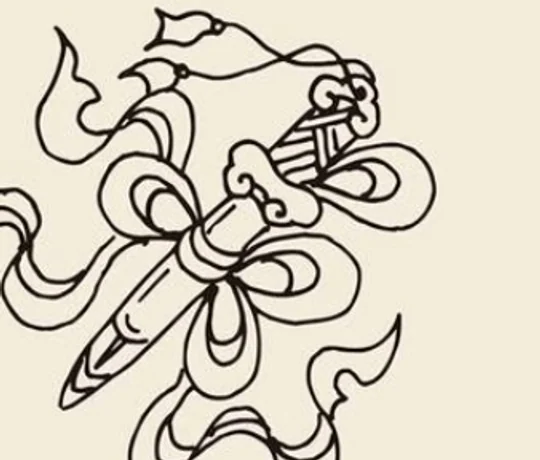
Lü Dongbin 吕洞宾
Often depicted as a scholar with a sword, associated with spiritual cultivation and overcoming difficulty.
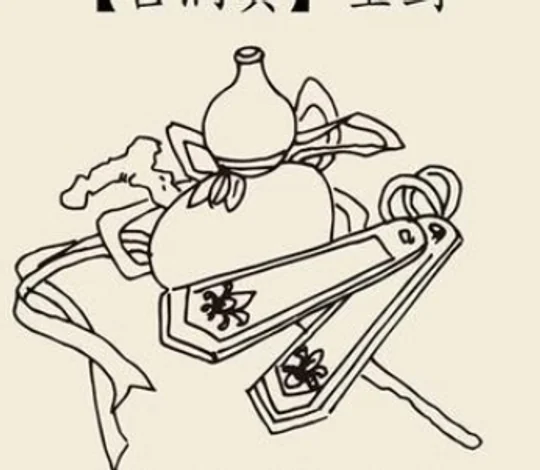
Tieguai Li 铁拐李
A wandering immortal with an iron crutch and a medicine gourd, whose stories often express care for the sick.
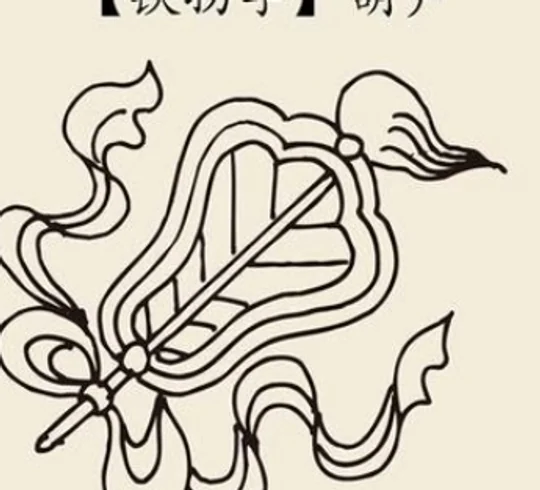
Zhongli Quan 汉钟离
Remembered for a fan and the ability to transform what seems ordinary into something extraordinary.
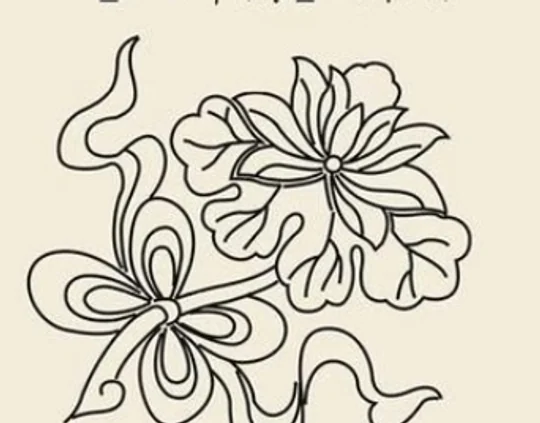
He Xiangu 何仙姑
The woman of the familiar group of eight, represented by a lotus in the conventional emblems.
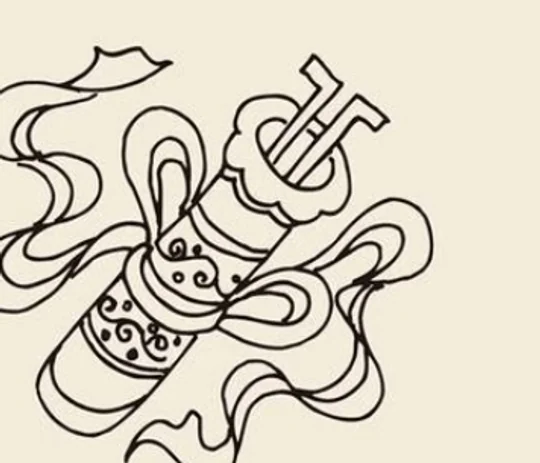
Zhang Guolao 张果老
Known for his magical donkey. His emblem is a traditional percussion instrument called a fish drum, not a fish.
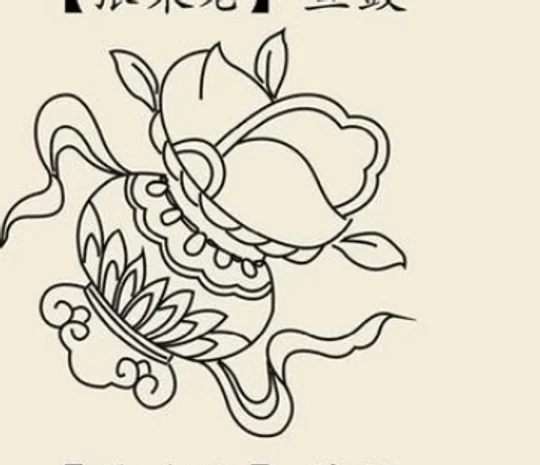
Lan Caihe 蓝采和
An unconventional, wandering immortal associated with flowers, song and a flower basket.
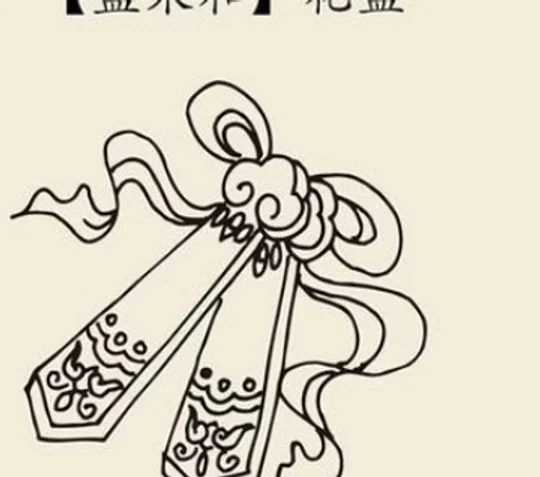
Cao Guojiu 曹国舅
Associated with courtly status and jade boards or clappers, reflecting a journey away from worldly rank.
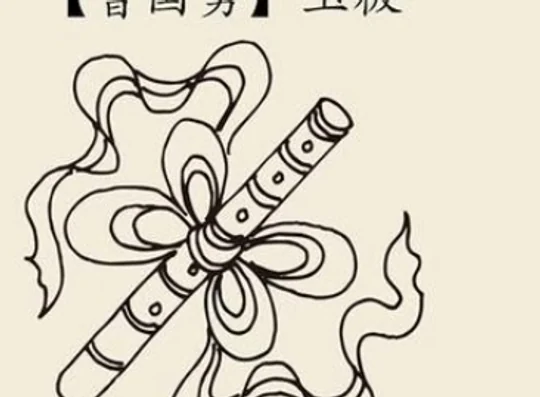
Han Xiangzi 韩湘子
A young musical immortal, whose identifying emblem is a bamboo flute.
Eight People in a Blue-and-White Print
On the old textile, figures are built from little white marks: dotted clouds, short lines for robes, and carefully reserved forms for faces and hands. The technique is an important part of the picture. Paste-resist printing asks the artist to break even complex human figures into workable stencil shapes.
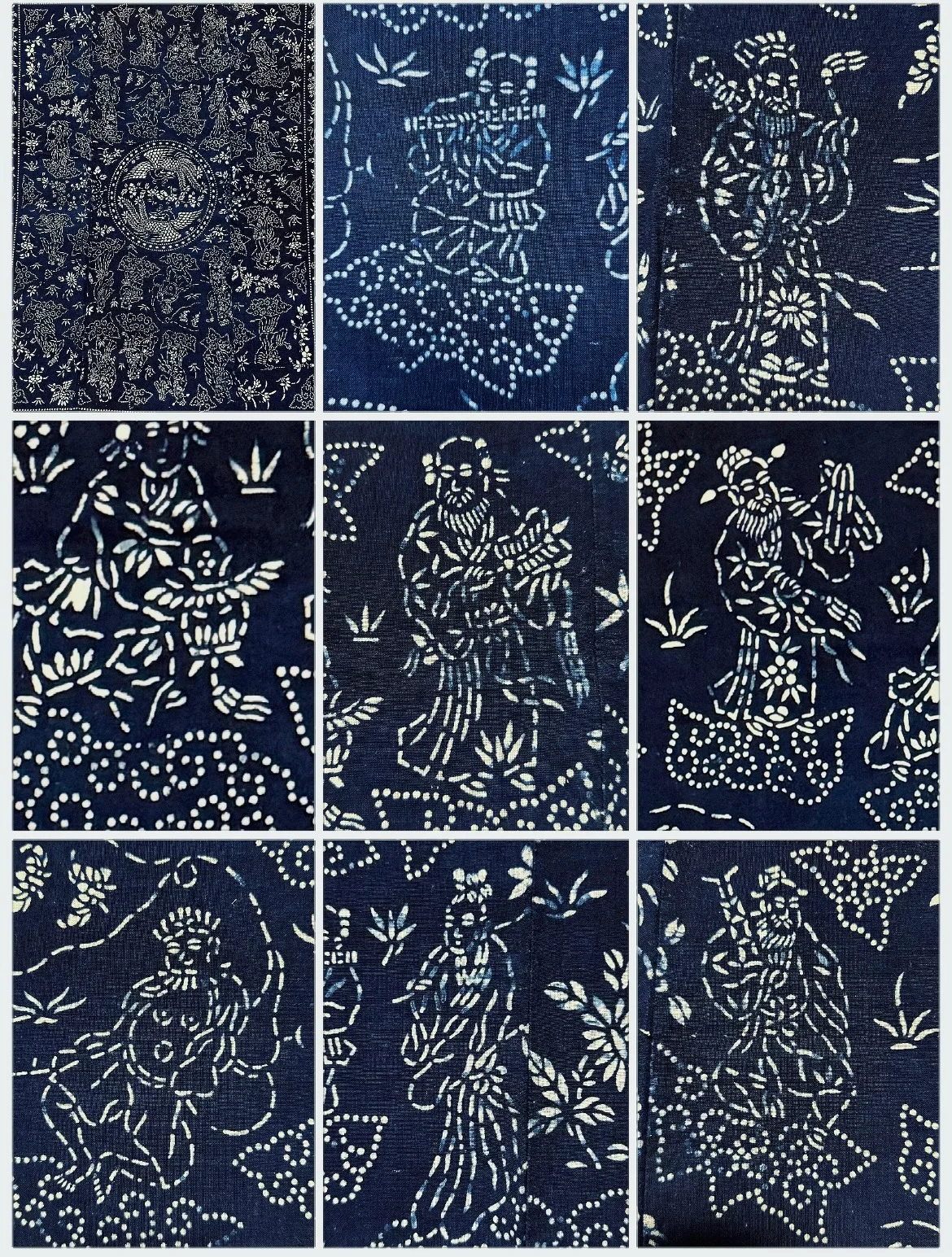
It matters that we do not mistake the two kinds of illustration. The textile records a surviving work of folk printing; the eight individual line drawings above help explain the conventional symbolic emblems.
A Nantong Bed-Canopy Valance: Eight Immortals and the Three Stars
The story was also printed onto household textiles. In the book Nantong Blue Printed Cloth (《南通蓝印花布》), Chapter 5, Section 7, Figural Patterns (人物纹), page 178 illustrates a long indigo-printed bed-canopy valance (帐檐) identified as “Eight Immortals Crossing the Sea and the Three Stars Shining Bright” (八仙过海、三星高照).
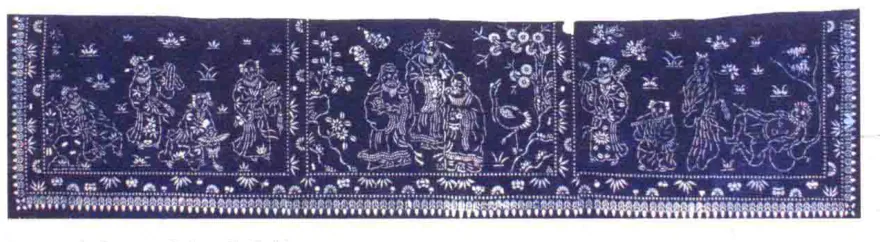
According to the book, the immortals travel home after attending a peach-banquet gathering. On reaching the sea, they each use their own extraordinary means to cross it. The central design represents Fu, Lu and Shou (福、禄、寿), the Three Star Gods of good fortune, prosperity and longevity — an additional auspicious wish expressed by the phrase 三星高照.
This documented valance shows how a well-known legend could be combined with household blessings in a single blue-and-white composition. Its original place on the bed canopy connects the story to domestic space and everyday life, not simply to painting or mythological illustration.
A distinction between the two textiles: the book's historical valance places the Three Stars in the centre. The separate old indigo textile shown at the beginning of this article has a bird medallion and eight small figures. We do not assume the two pieces share the same composition, workshop, age or central symbolism.
The book documents the pattern identification and textile type; this page does not establish an exact making date or identify every individual figure on the separate Tubu Atlas textile.
From Eight People to the Hidden Eight Immortals
Chinese decorative art sometimes replaces the people with their identifying objects. A sword, gourd, fan, lotus, fish drum, flower basket, jade clappers and flute can suggest the Eight Immortals without showing a single face. This system is called the Hidden Eight Immortals (暗八仙).
The emblems are a conventional set; in different versions of the sea-crossing tale, the objects used to travel across the waves are not necessarily those same eight. These are related but distinct traditions.
The Eight Emblems — A Closer Look at the Cloth
These eight close-ups were newly documented from the actual old blue-and-white textile in the Tubu Atlas collection. They are not modern line drawings or reconstructed patterns. Each small ornament is built from reserved white lines, dots and simplified shapes on a dark indigo ground.
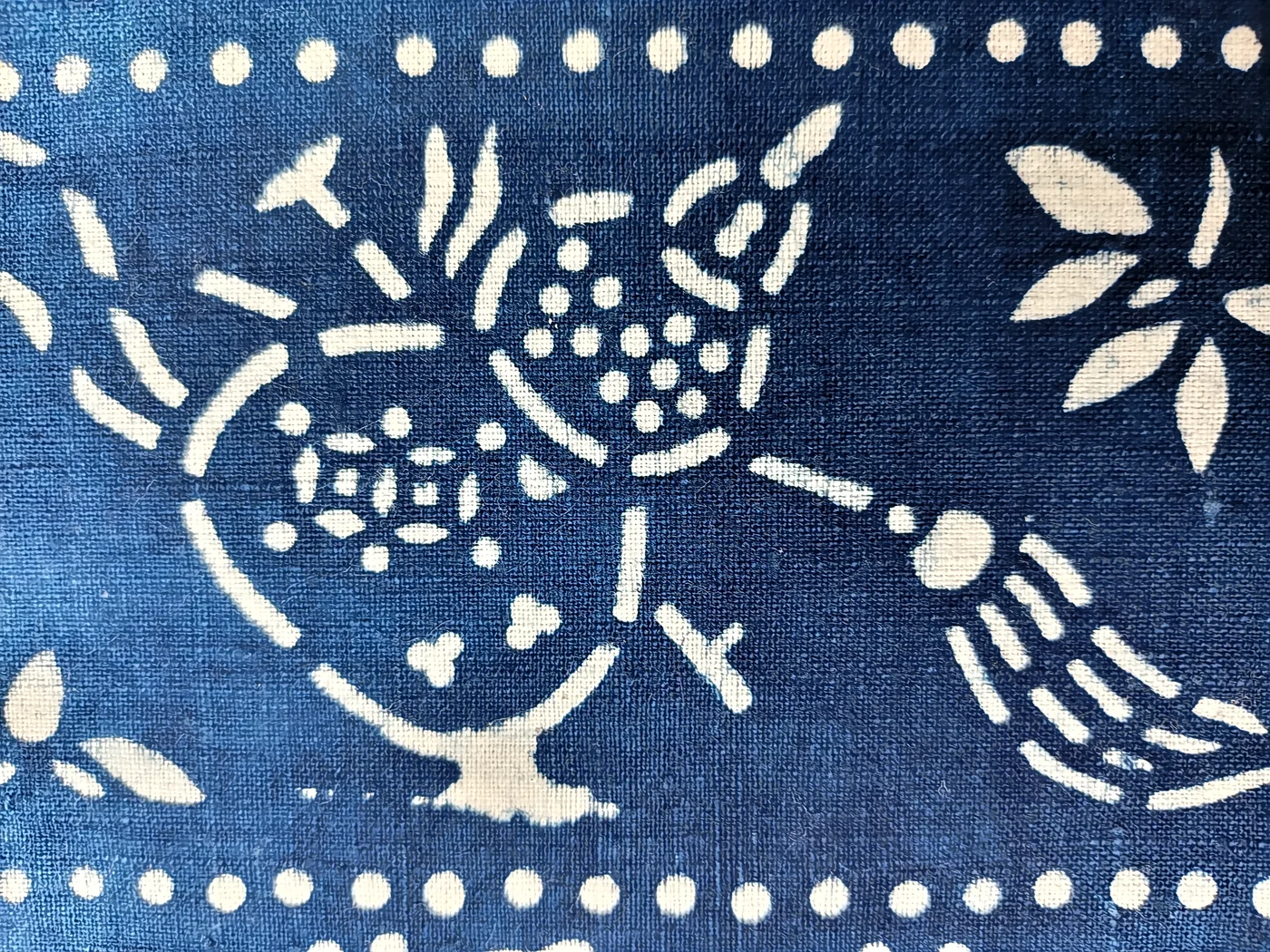
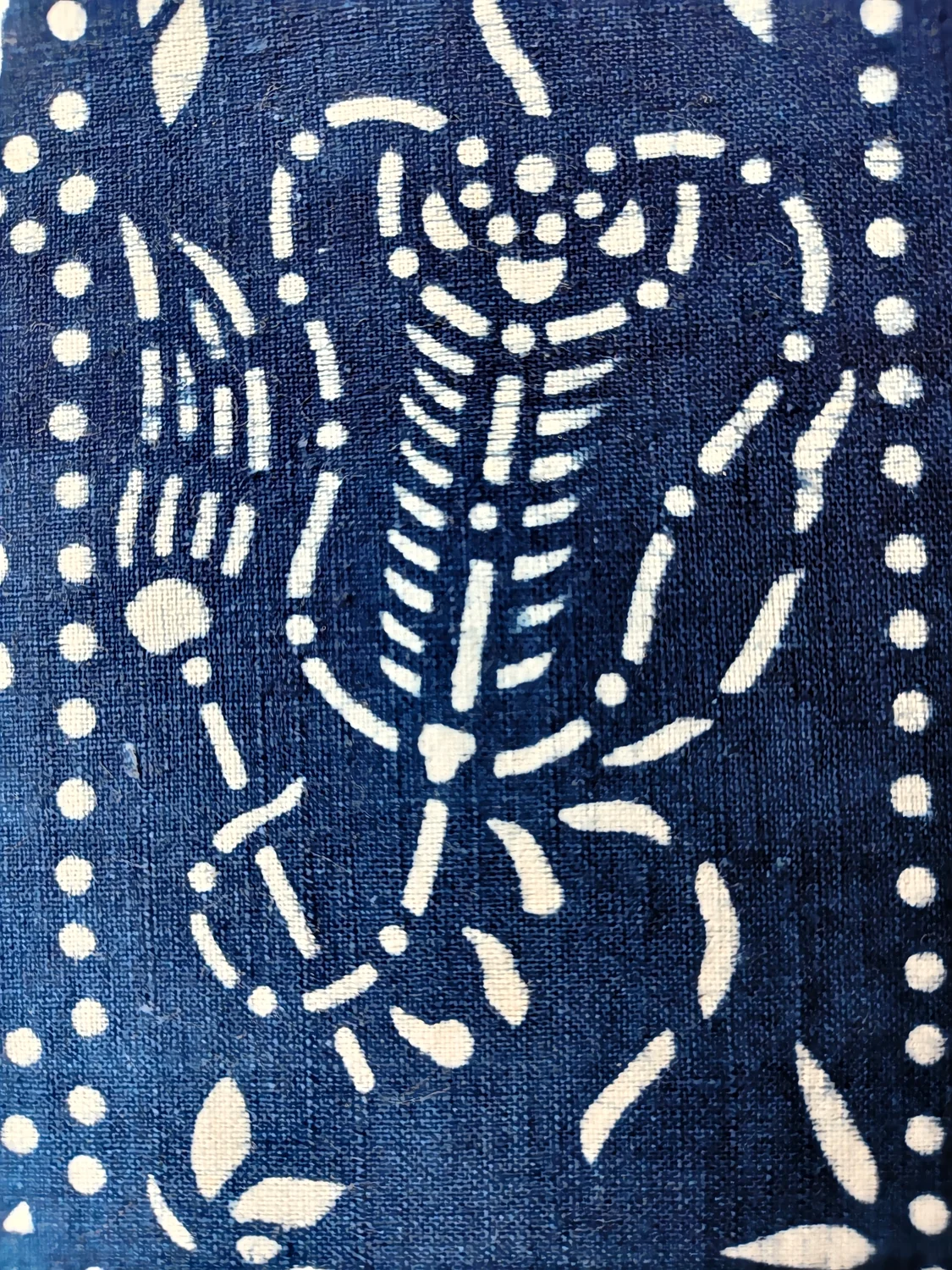
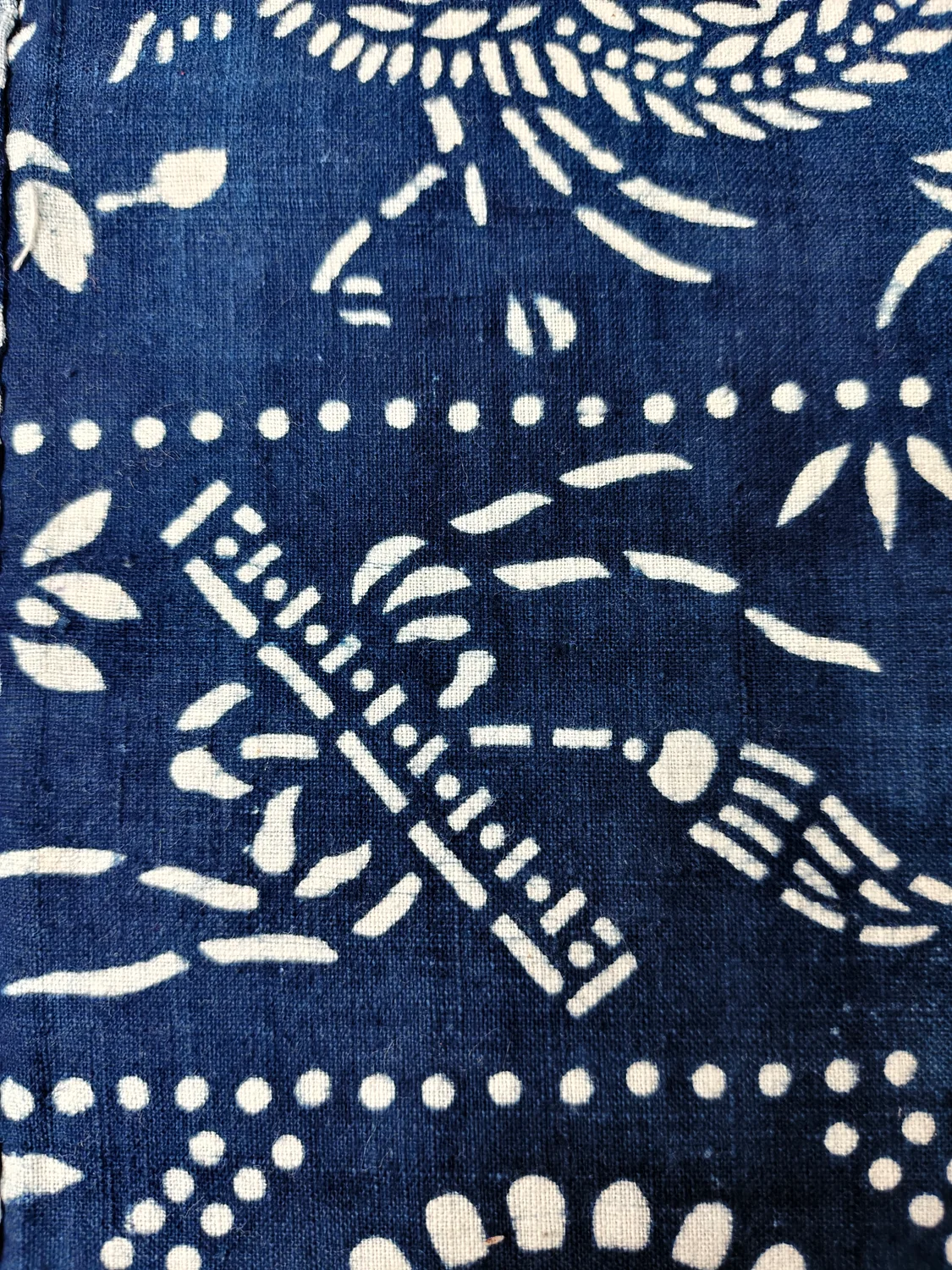
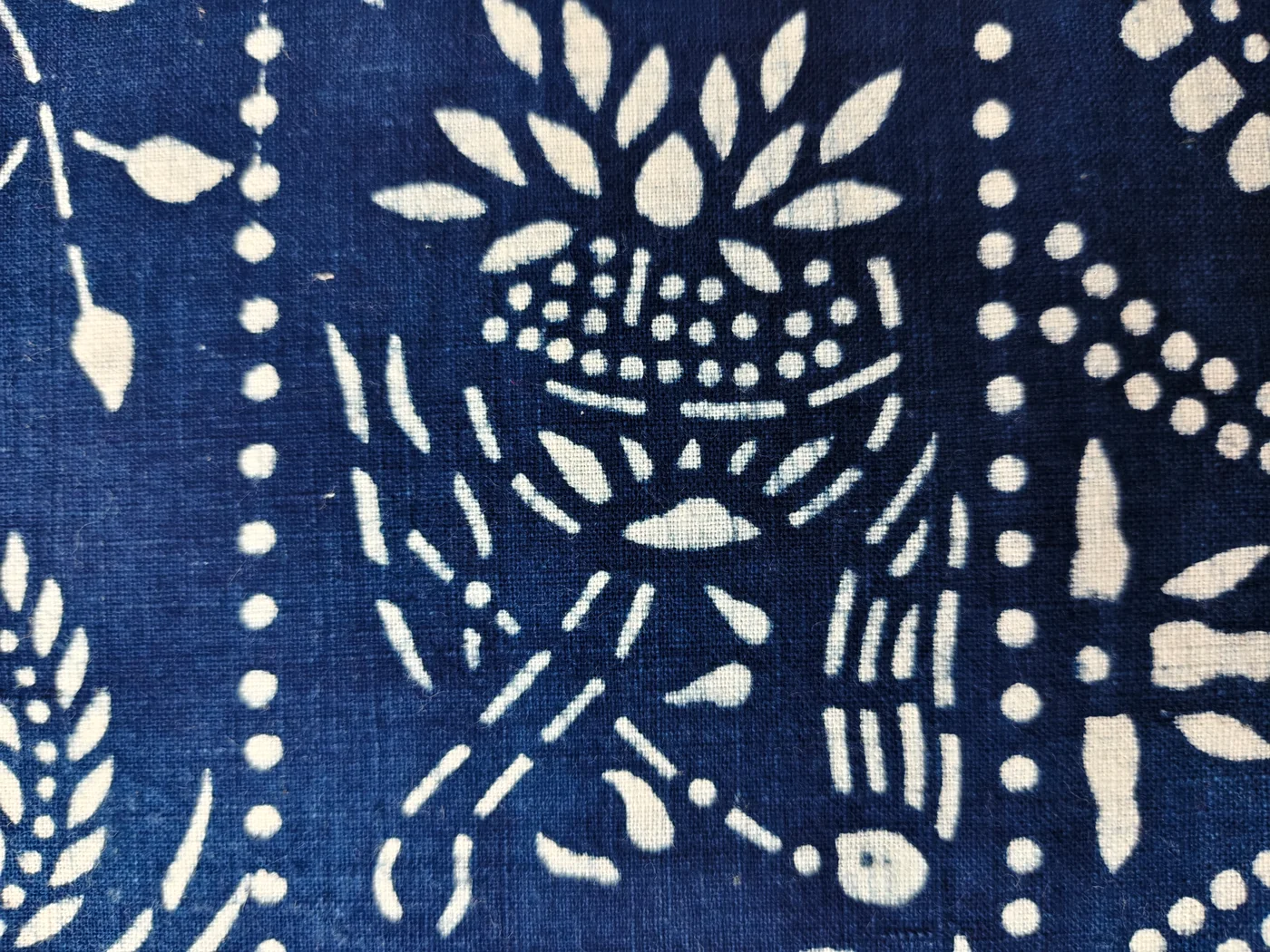
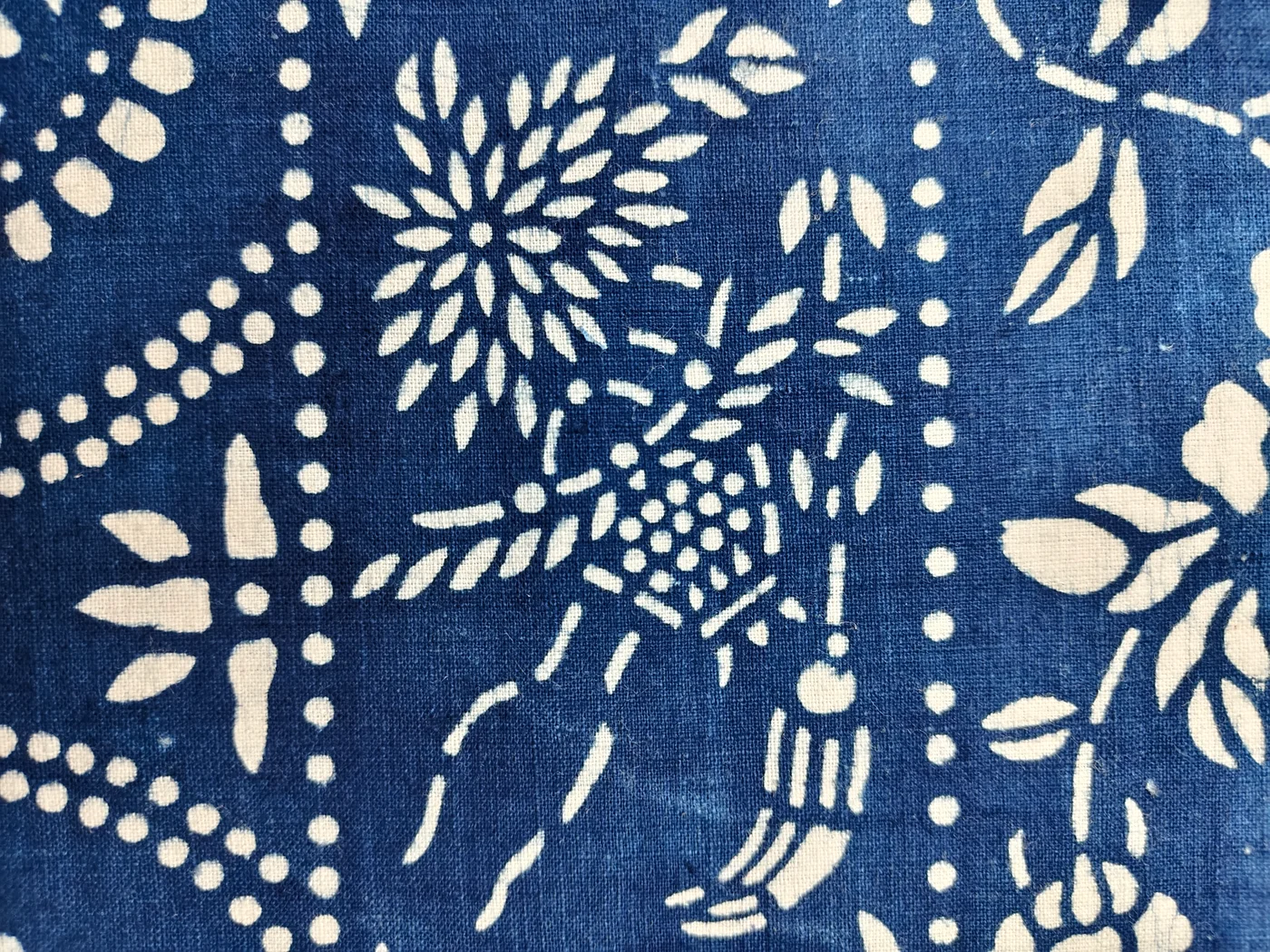
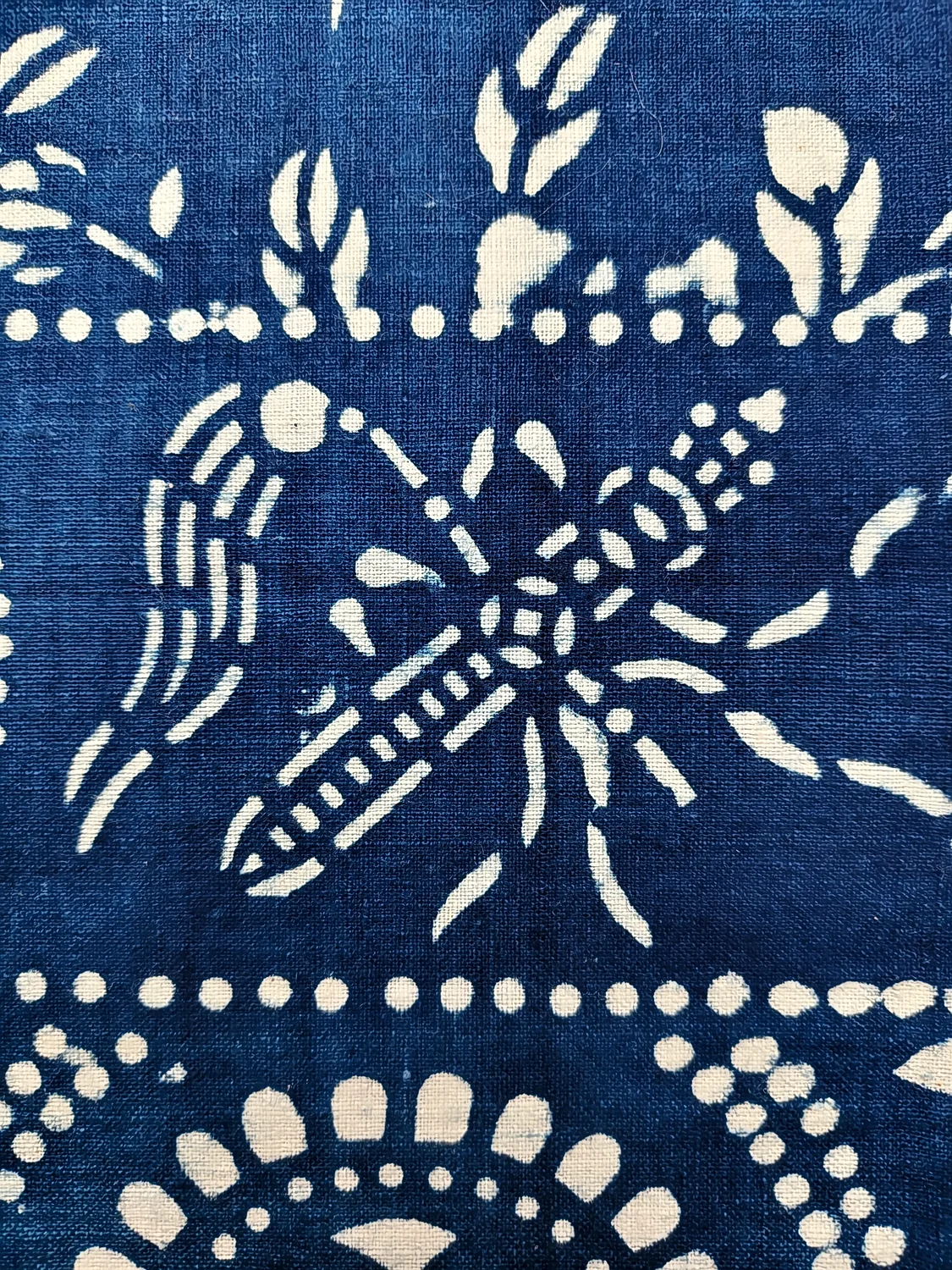
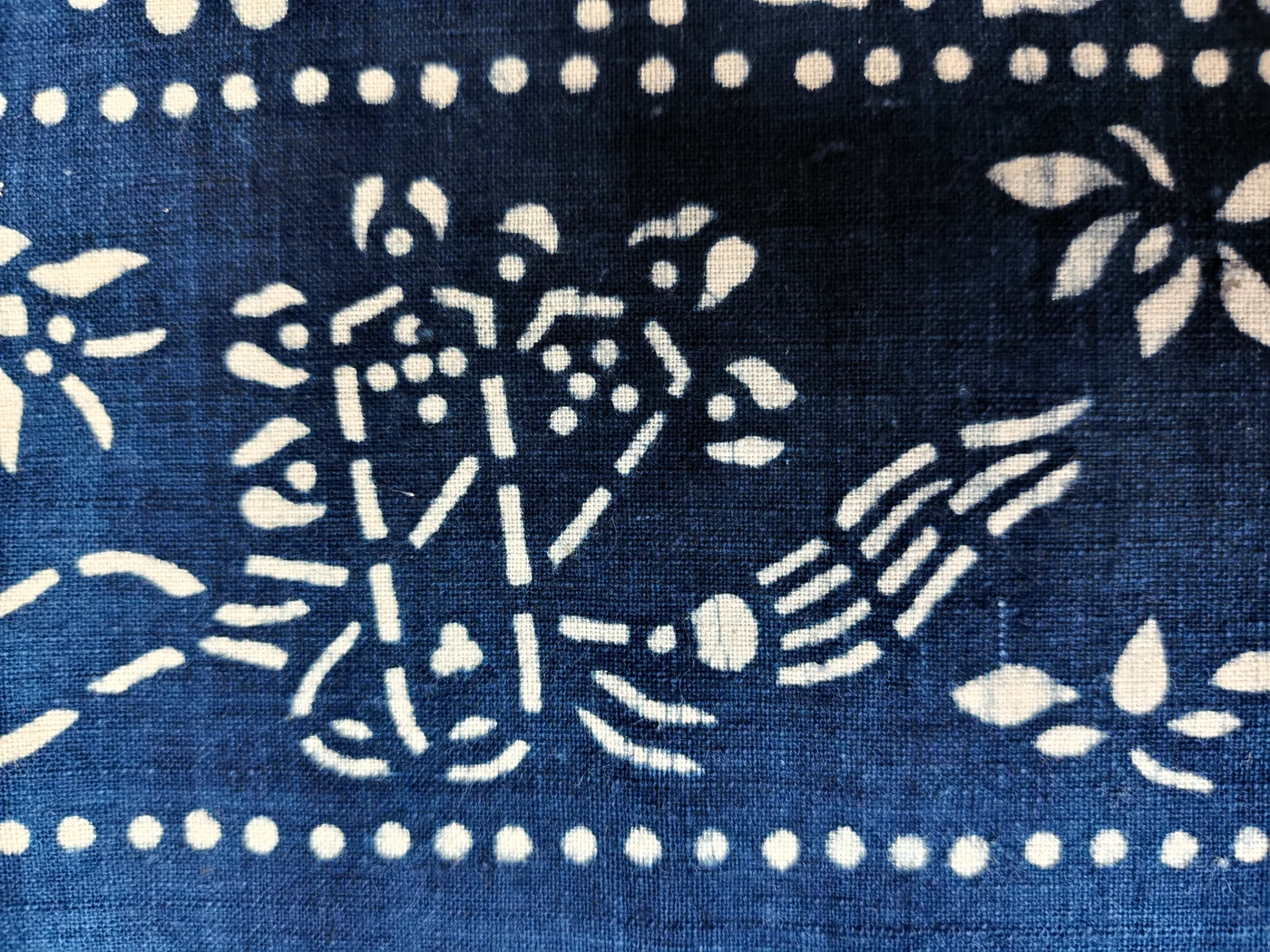
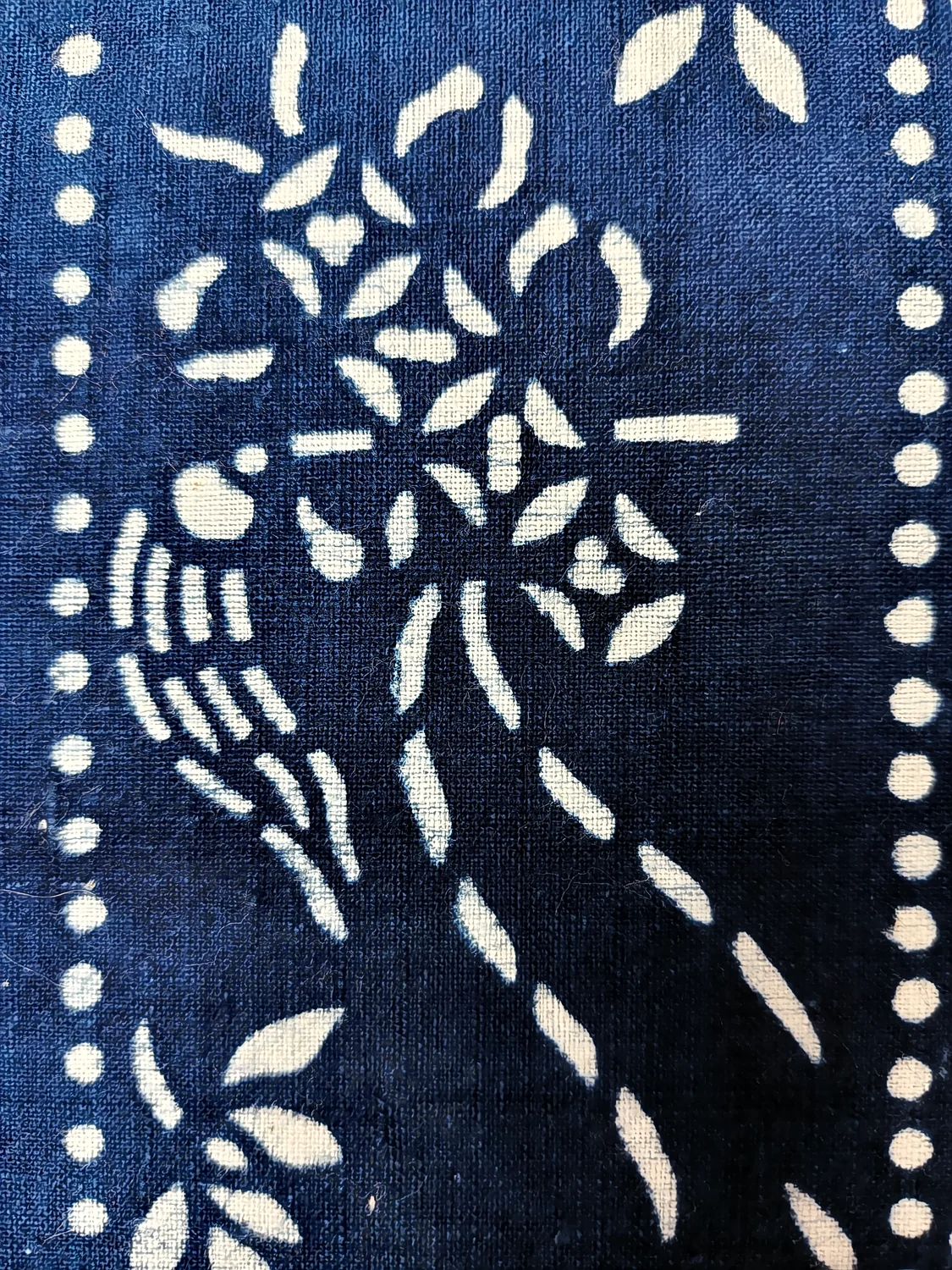
Identification note: The English object names and associated immortals follow the textile owner's close-up identifications, in the original photograph order. These stylised motifs are interpreted as the Hidden Eight Immortals' attributes; the exact printer and intended design labels remain undocumented.
Stories Woven into Household Life
Chinese folk textiles are often more than decorative surfaces. Figures and symbols could evoke wishes for longevity, harmony, protection and good fortune. This is one reason legendary people and auspicious objects were so appealing to makers of household cloth.
Old Nantong-style indigo prints preserve these visual stories in an unusually direct language of white dots against deep blue. Even when an exact printer, place or year is unknown, the material object invites us to look again.
Sources & Image Notes
The legend has many retellings. The eight emblem names follow museum documentation. The vintage textile photograph and the separate modern line illustrations were supplied for the study; the maker of the drawing and individual identity of each figure on the old cloth have not been independently verified.
- Palace Museum — 八仙过海 (Eight Immortals Crossing the Sea)
- Palace Museum — 暗八仙 (Hidden Eight Immortals)
- 《南通蓝印花布》 (Nantong Blue Printed Cloth), Chapter 5, Section 7, “人物纹” (Figural Patterns), p. 178, illustration captioned “八仙过海、三星高照” 帐檐. The image above is a cropped comparative excerpt from the supplied research copy; image rights remain with the respective rightsholder.
- Tubu Atlas — Nantong Printed Cottons