
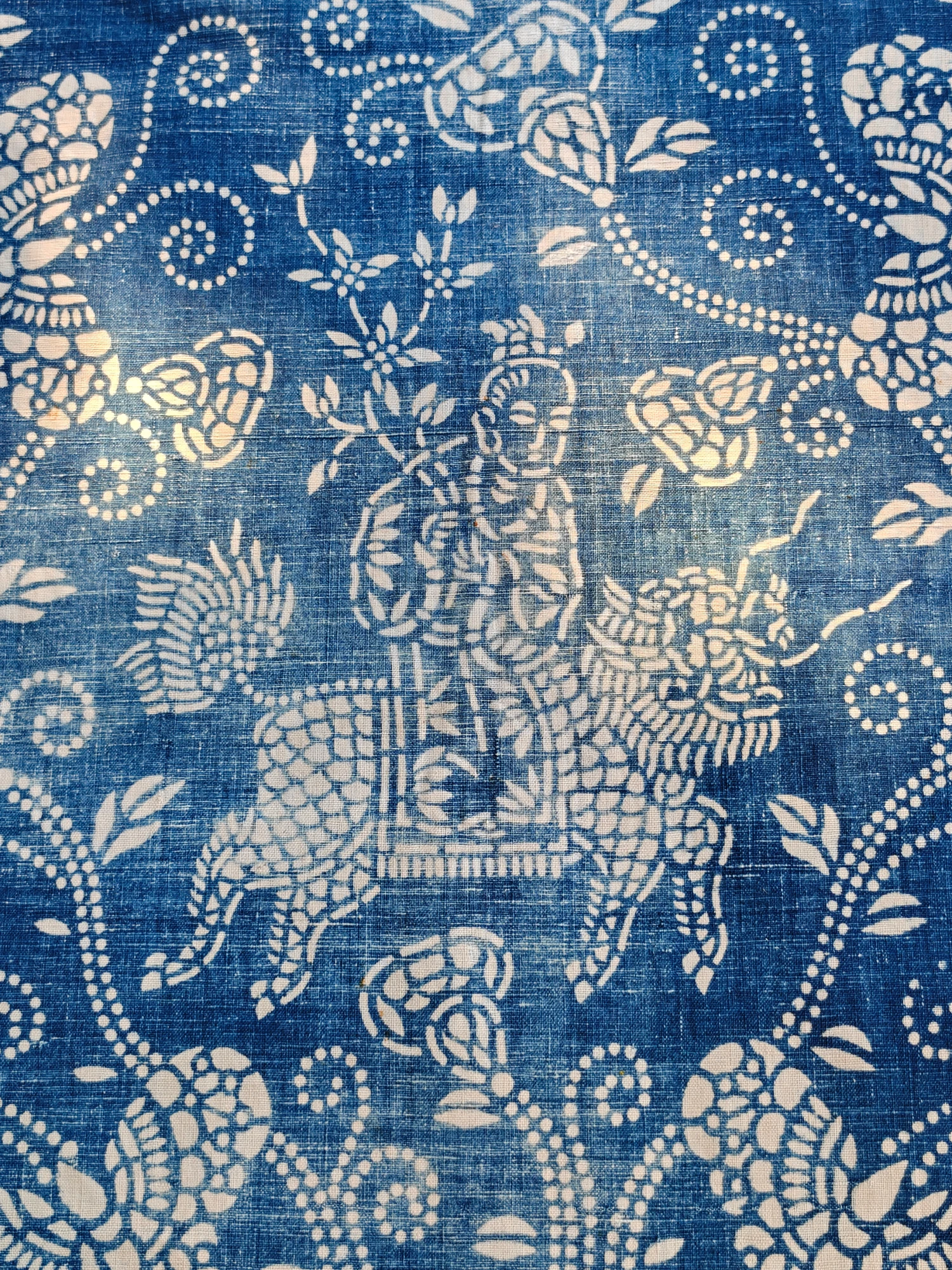
Qilin Bringing a Child — Nantong Indigo Textile
c. 1950s · Homespun cotton
Documenting handwoven cloth, patterns and the stories carried in every thread.
Tubu Atlas treats each textile as a documented object. Region, period, yarn, weave, printing, motif, condition and dimensions remain attached to the record even after a piece is sold.
Read the introduction →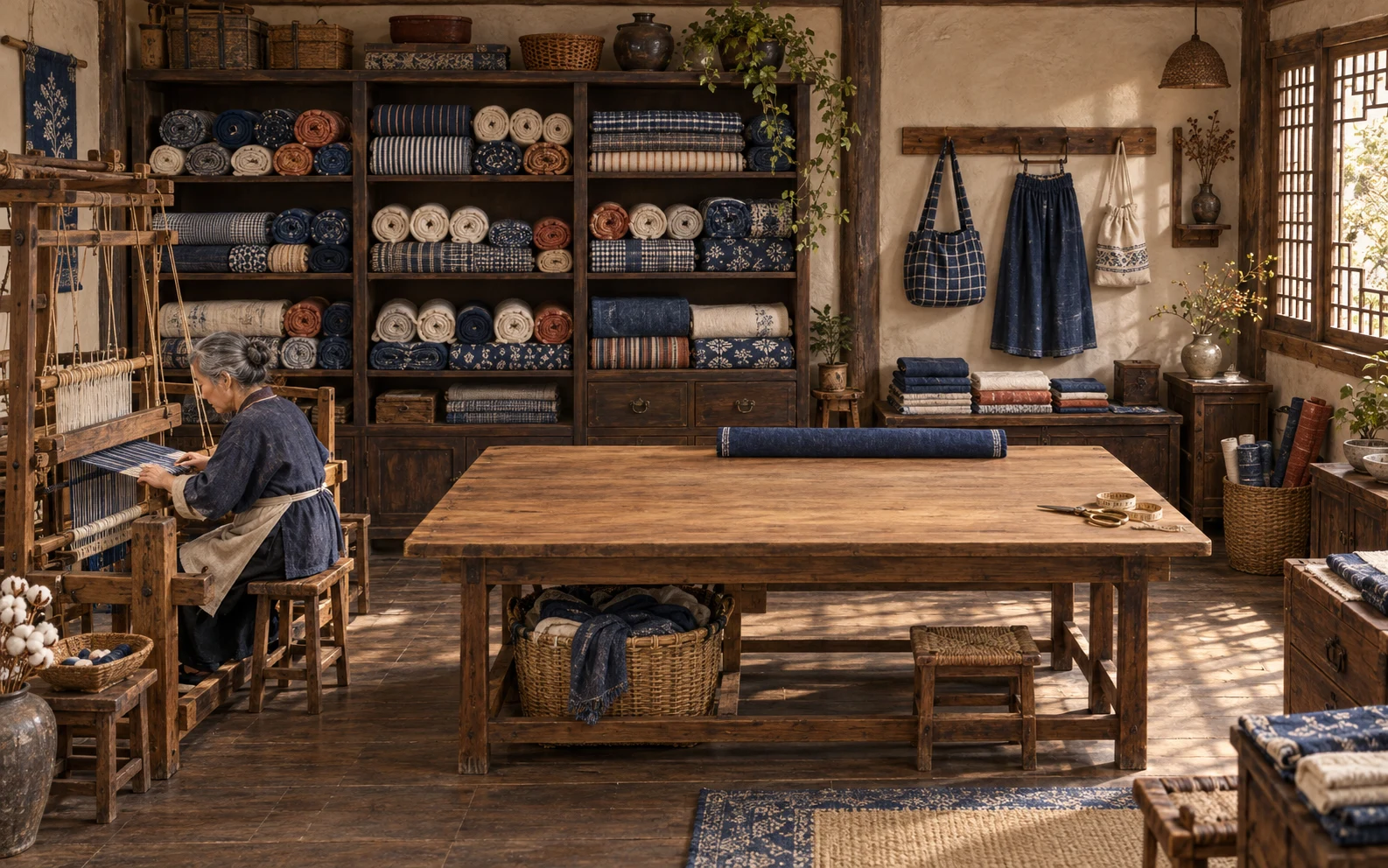
Take a cloth off the shelf. Unroll it. Imagine what it could become.
Explore our virtual shopStart geographically, then move across technique, pattern and period.
The same region can hold many different making processes.
Availability can change. The archive record stays.
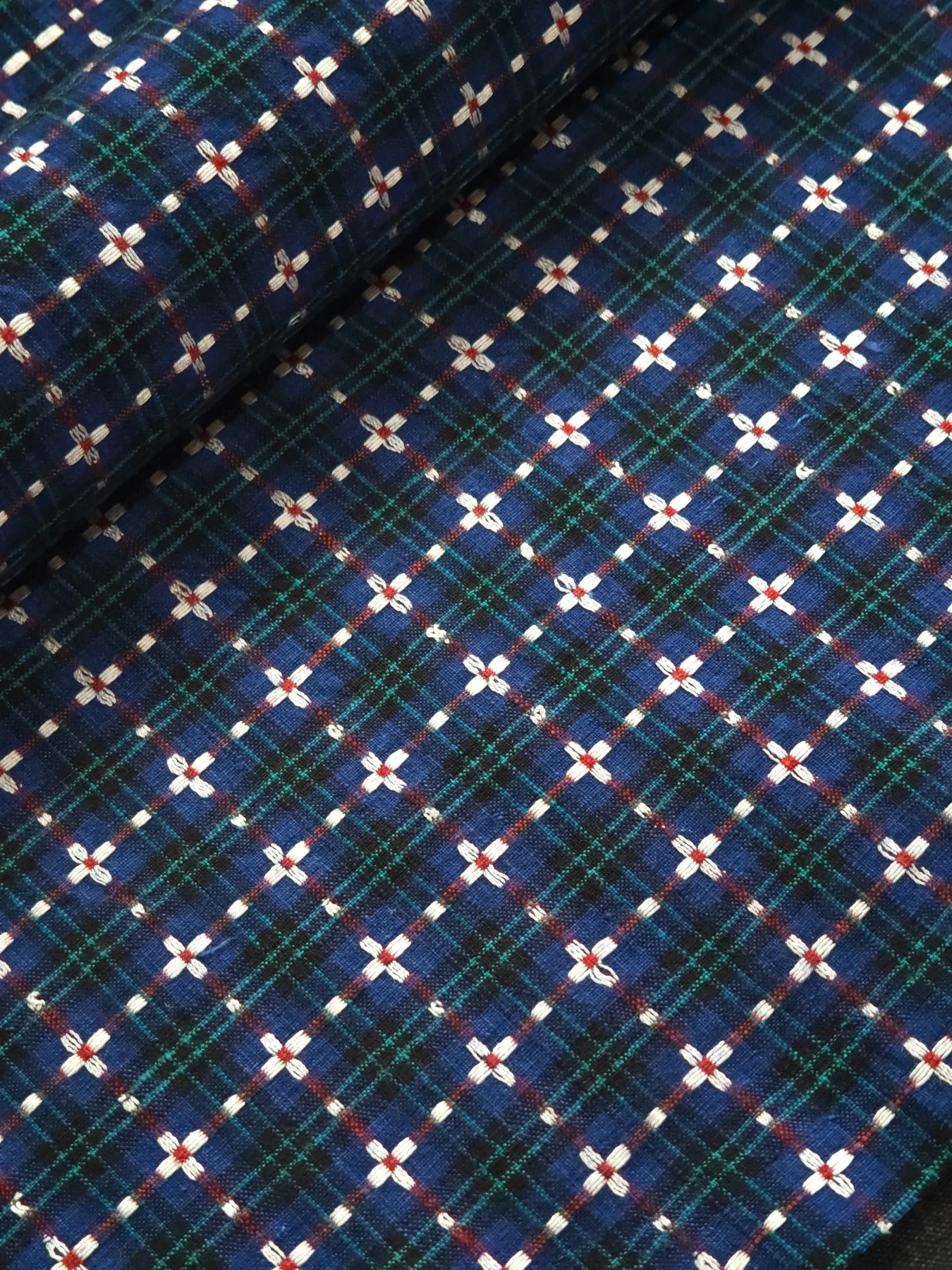
A rare Shanghai-area tiaohua cloth in which tiny four-petal flowers are woven directly into a deep blue checked ground rather than printed or embroidered on the surface.
View textile record →Recent additions, whether available or already archived.
c. 1950s · Homespun cotton
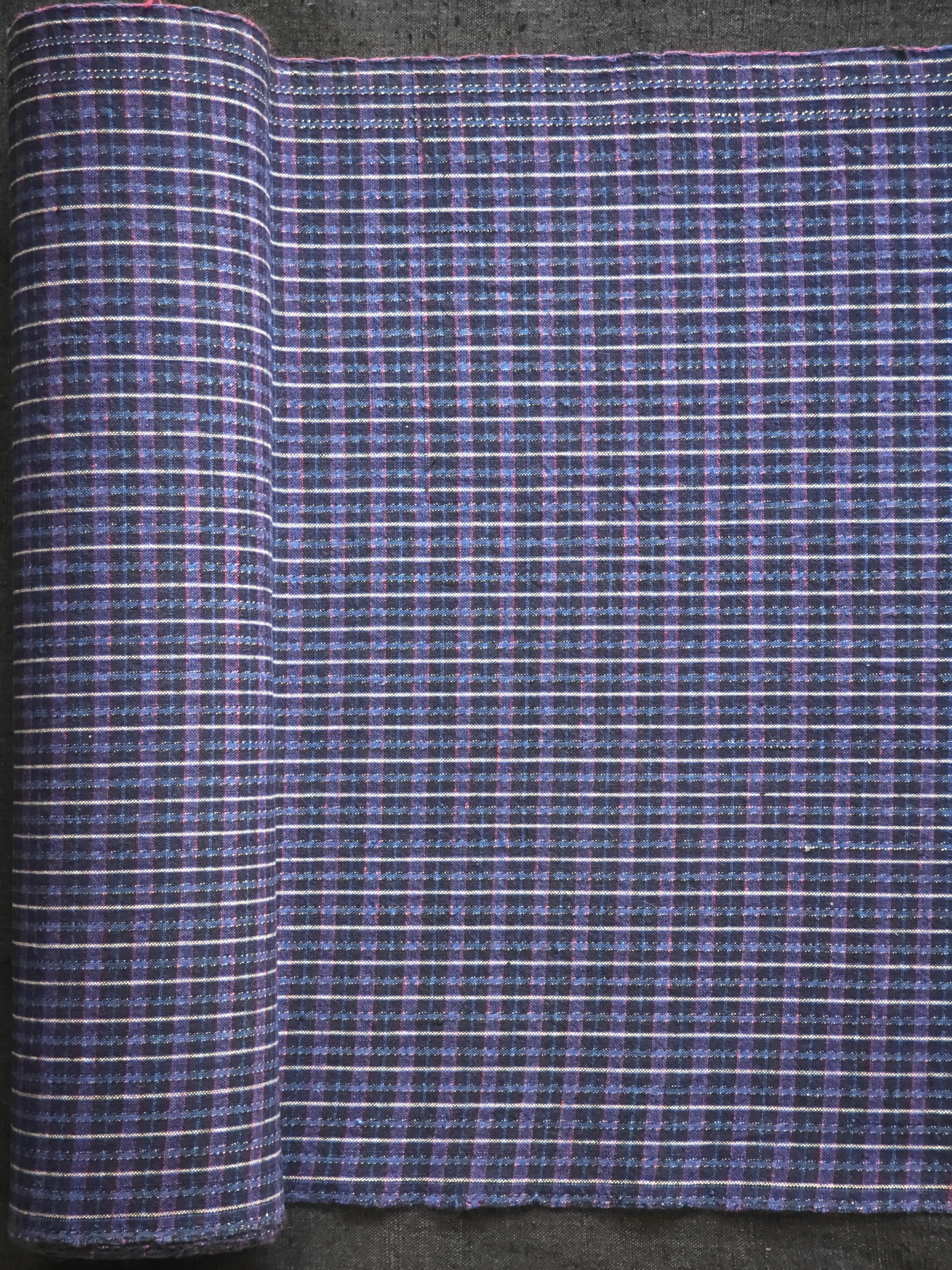
c. 1960s–1970s · Cotton
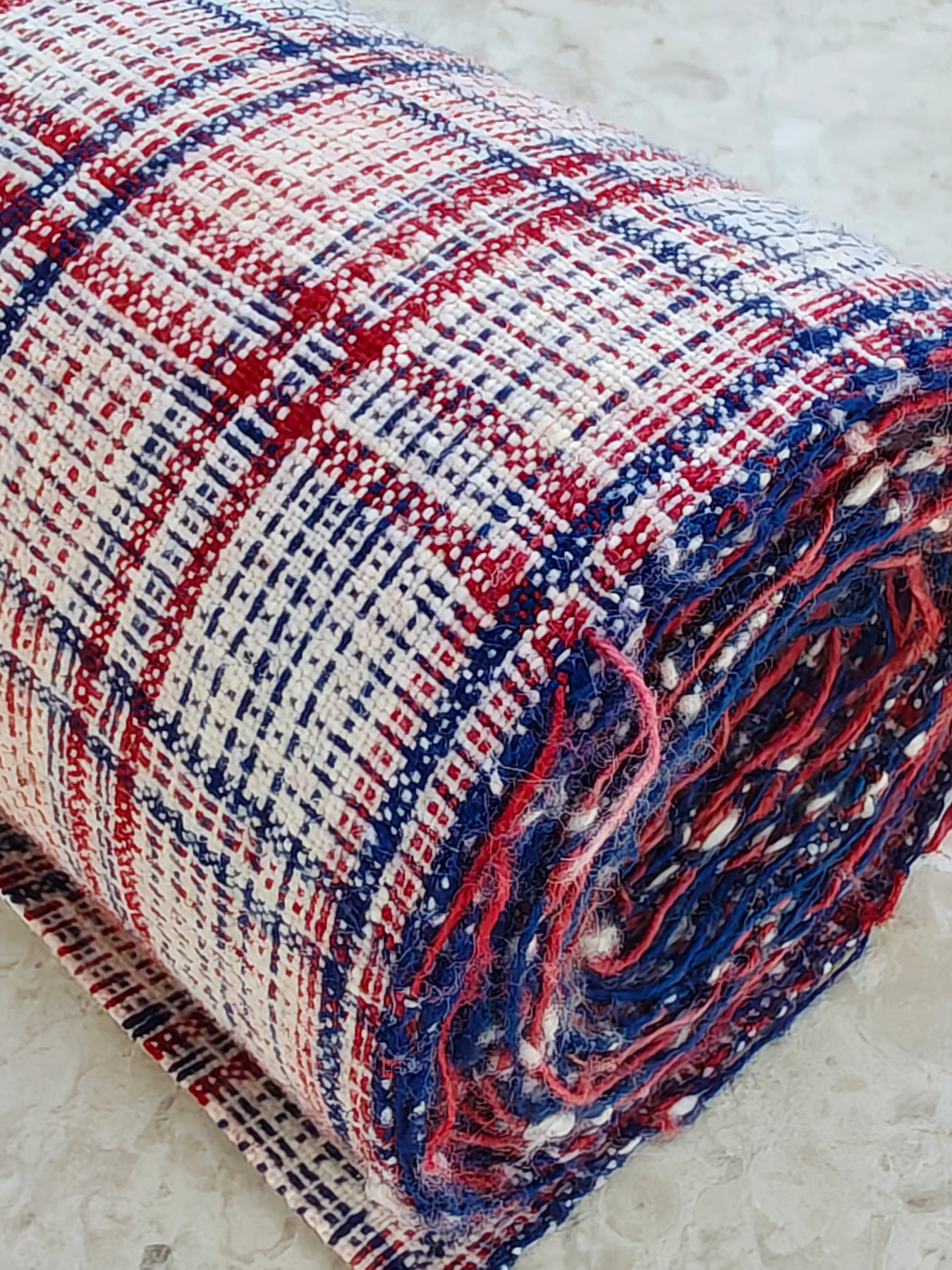
c. 1940s–1960s · Cotton
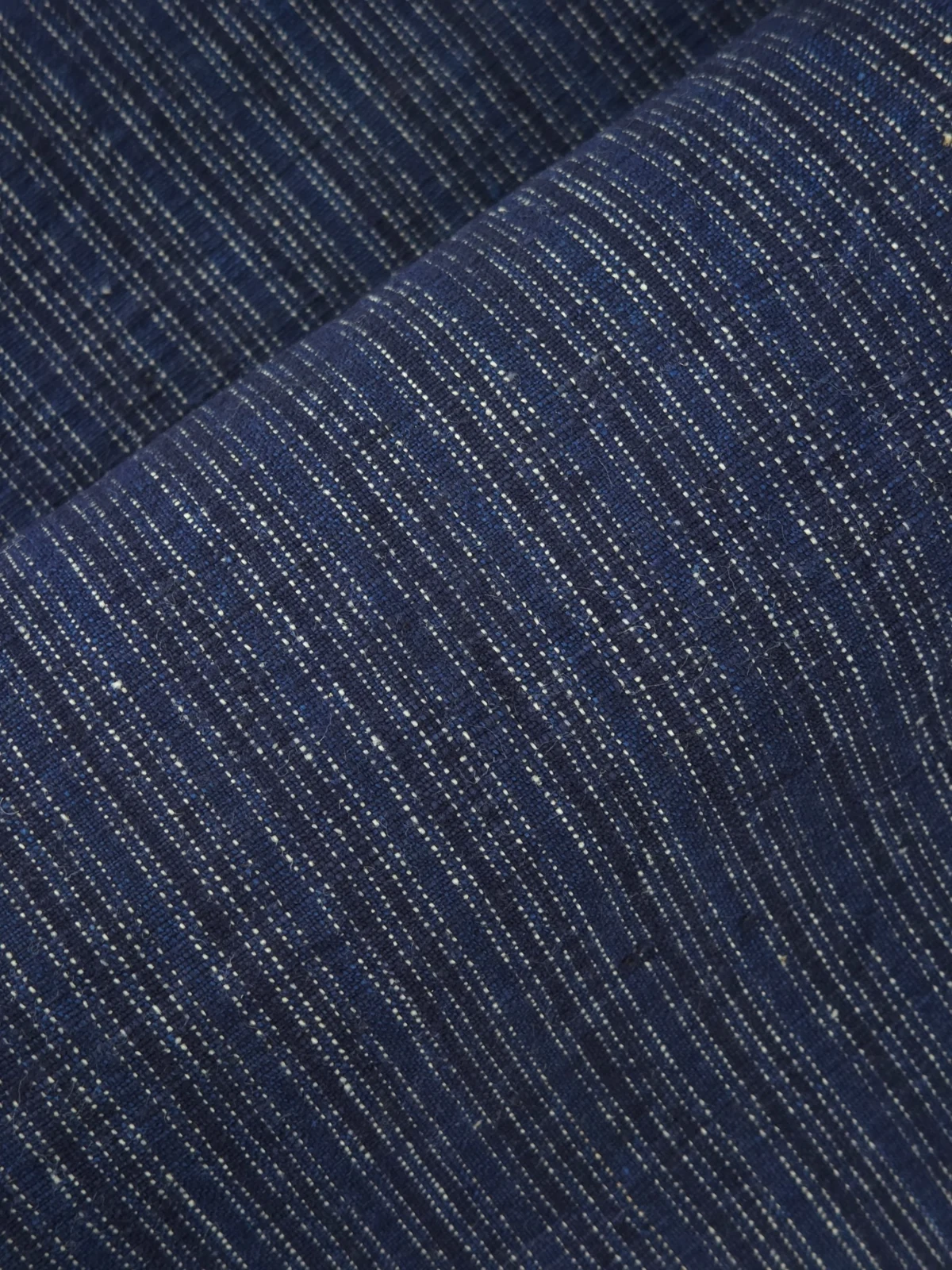
c. 1950s–1970s · Handspun-style cotton
Explore the cloth and its story here. Visit the Etsy listing for current availability, price and delivery details.
c. 1960s–1970s · Cotton
One uncut, 6.5-metre Jiangnan cotton textile changes from indigo stripes to red-blue checks and denser plaid, with no joining seams between its woven sections.
c. 1940s–1960s · Cotton
Soft red and indigo lines form a large square grid around fine comb-like inner stripes in this substantial, softly structured Jiangnan homespun cotton.
c. 1940s–1960s · Cotton
A rare Shanghai-area tiaohua cloth in which tiny four-petal flowers are woven directly into a deep blue checked ground rather than printed or embroidered on the surface.
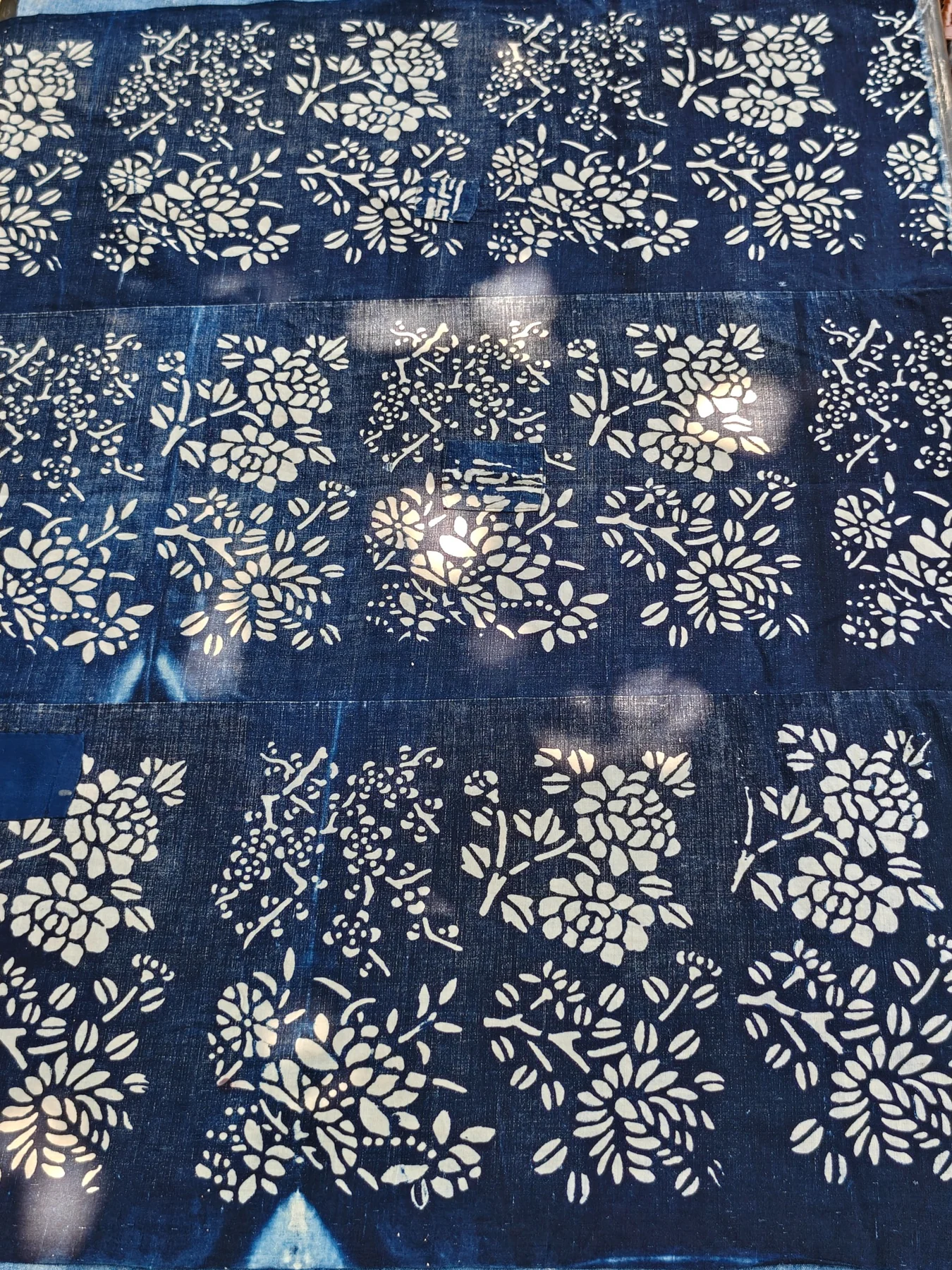
c. 1950s–1960s · Homespun cotton
A large three-panel household quilt cover whose resist-printed Four Seasons flowers and historic patch repair preserve both auspicious symbolism and the evidence of long domestic use.
Evergreen knowledge pages designed to support both research and search discovery.
A Tubu Atlas perspective on Chinese homespun: household weaving, dowry, local style, women’s labour and the auspicious wishes carried in cloth.
An introduction to locally spun and woven cloth traditions in China, and how Tubu Atlas uses the term.
A framework for documenting the weaving and printed-cloth traditions represented in the Nantong group.
Objects remain searchable after sale, preserving photography, attribution and notes.
c. 1950s · Homespun cotton
Each record separates observable facts from attribution. Confidence can be confirmed, probable, estimated or under review, so the archive can improve without losing its history.
How we document →