
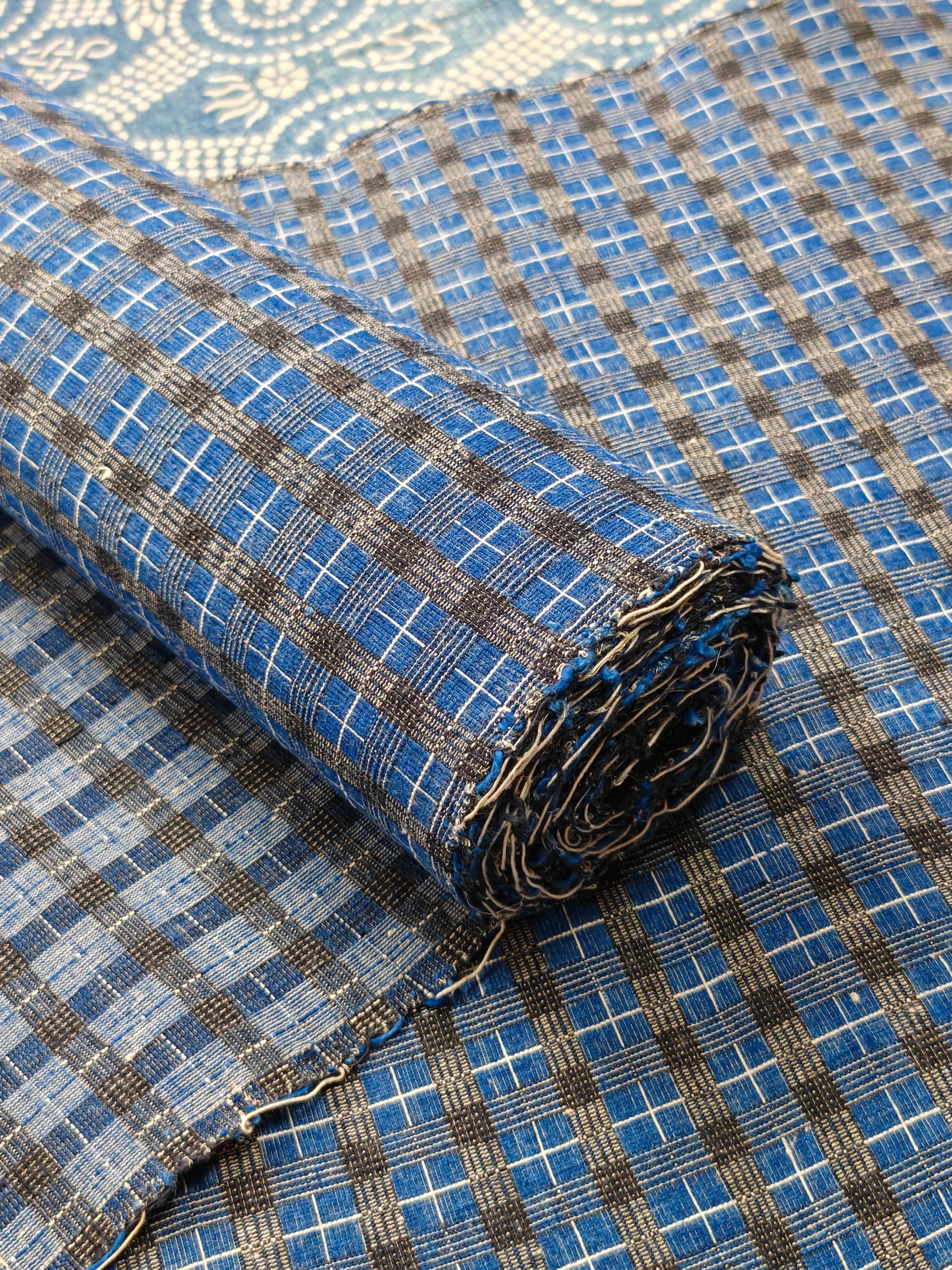
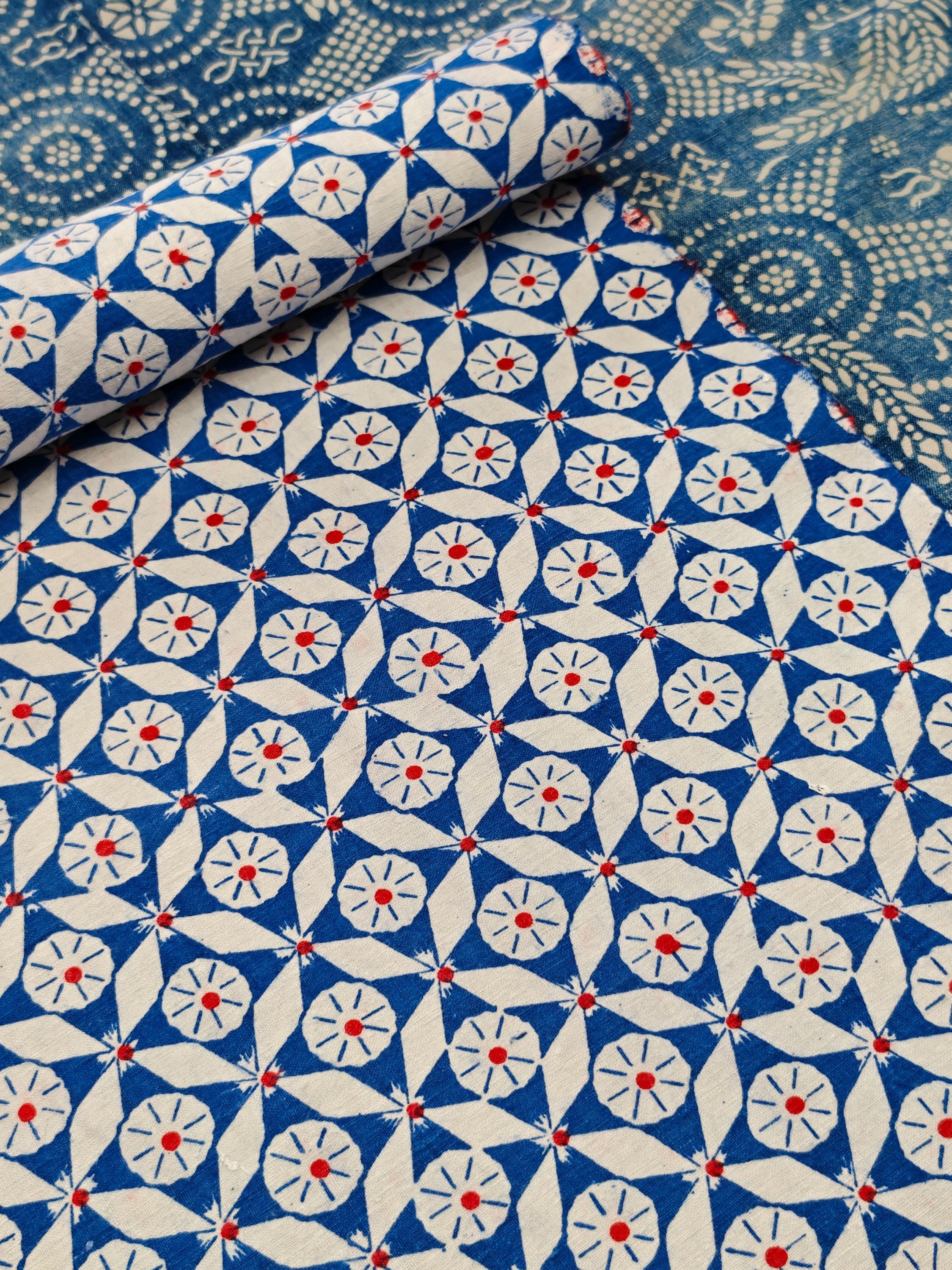
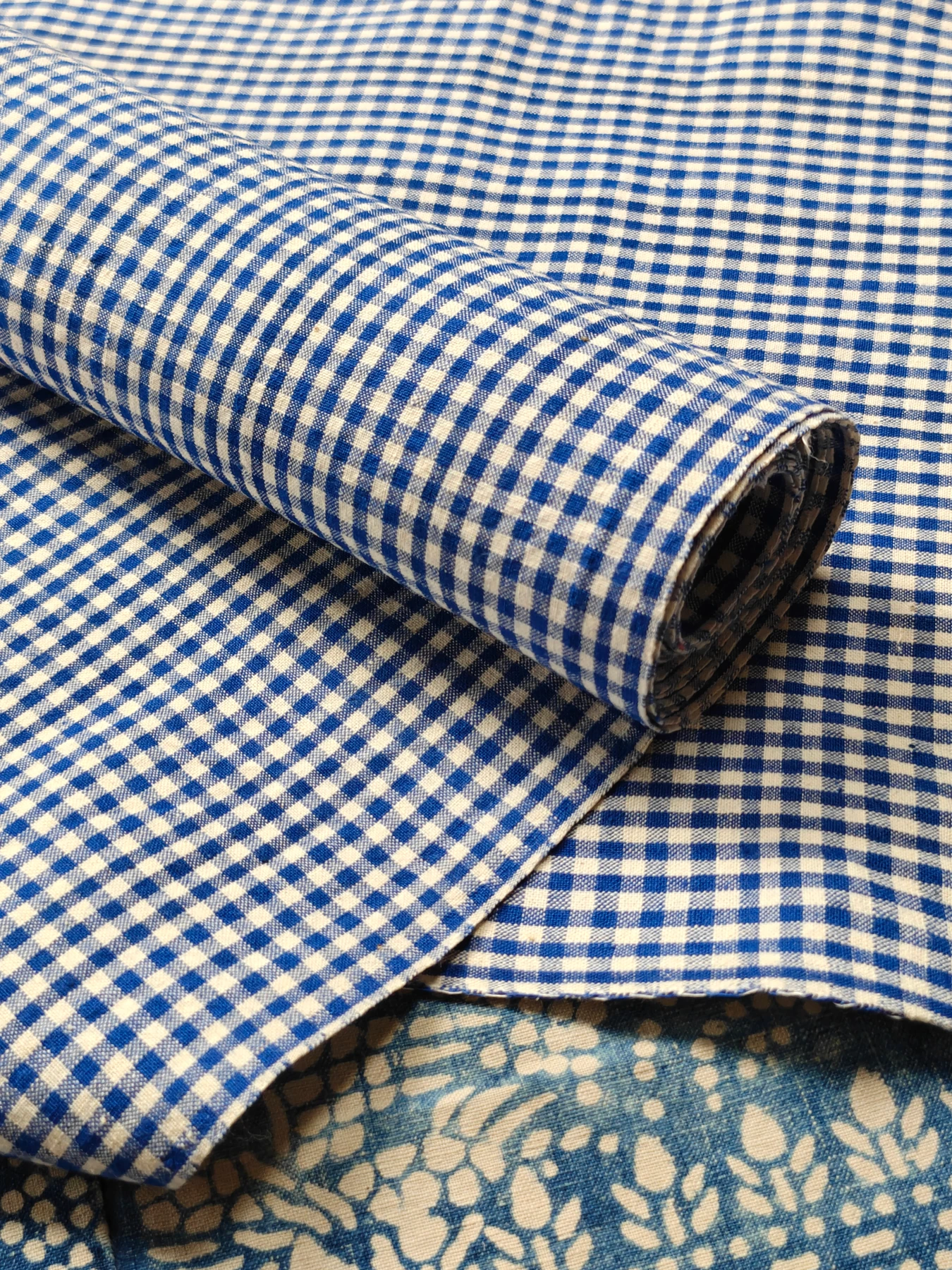
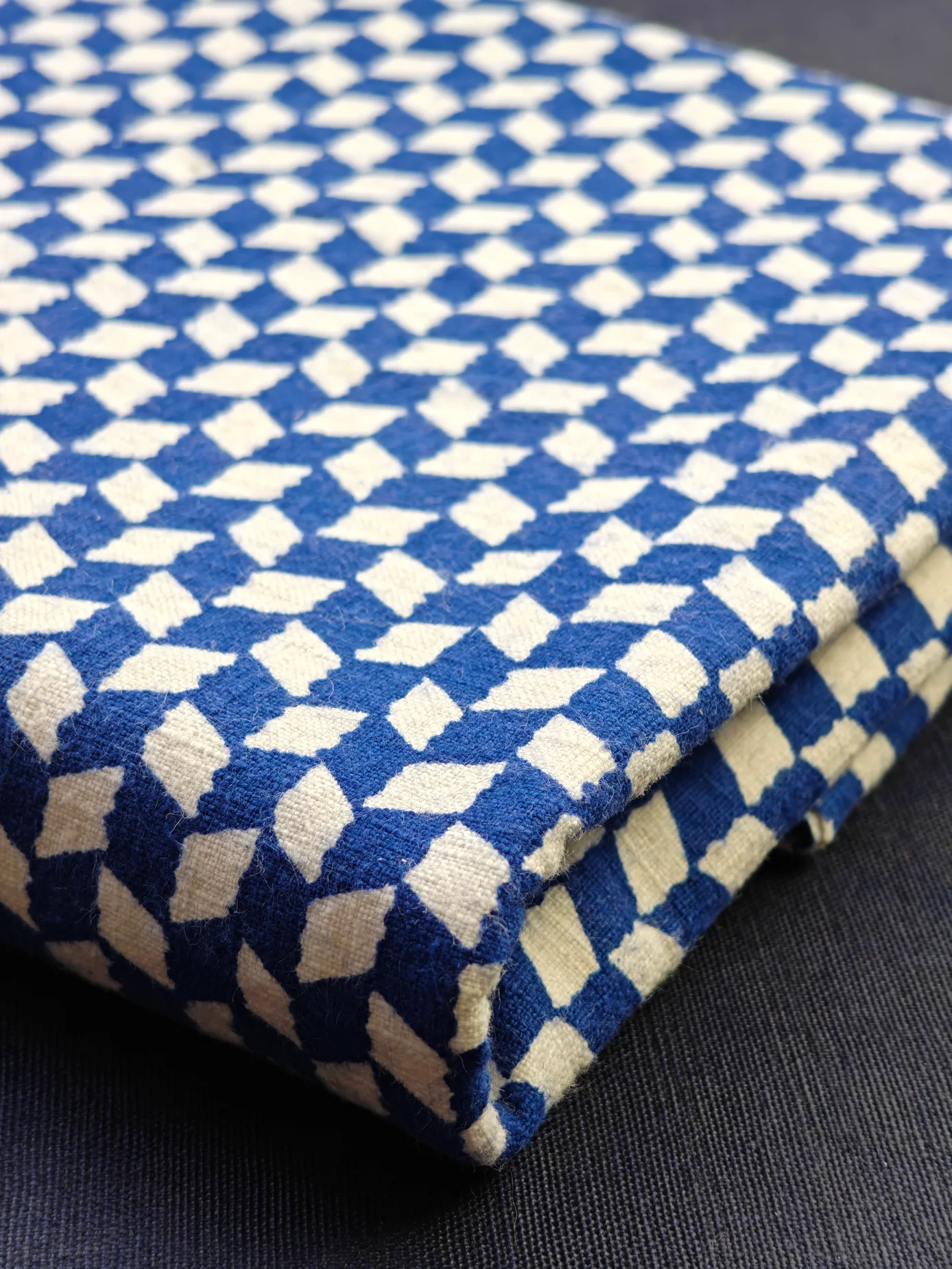
Morning Blue — Vintage Shanghai Chaoyang Check Cotton
Estimated early People’s Republic period · Lightweight, soft and breathable traditional hand-spun cotton (owner attribution)
Discover fresh colour, handwoven textures and the stories carried in old cloth.
Recent finds, with colour prints leading the way.
Tubu Atlas treats each textile as a documented object. Region, period, yarn, weave, printing, motif, condition and dimensions remain attached to the record even after a piece is sold.
Read the introduction →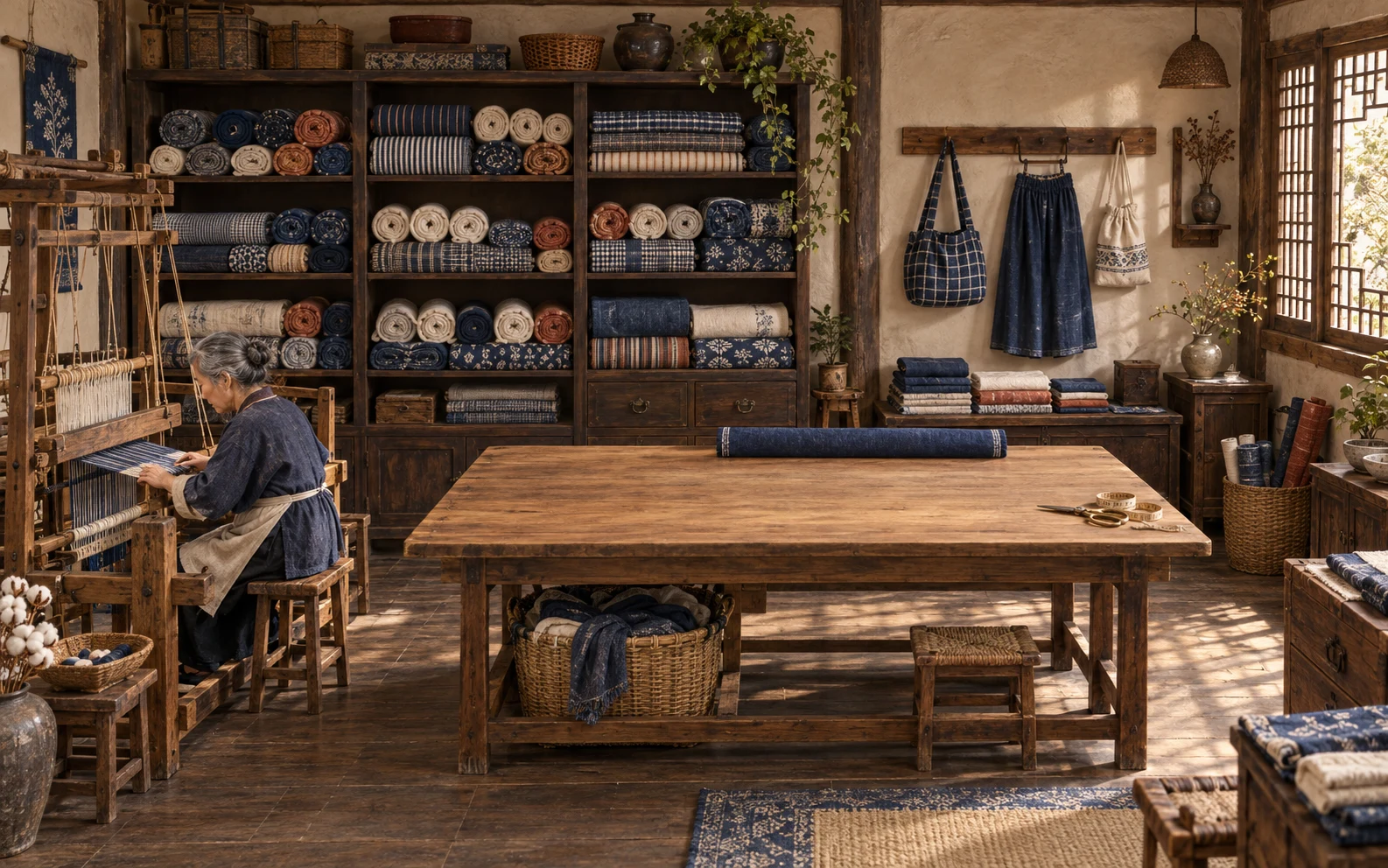
Take a cloth off the shelf. Unroll it. Imagine what it could become.
Explore our virtual shopStart geographically, then move across technique, pattern and period.
The same region can hold many different making processes.
Recent additions, whether available or already archived.
Estimated early People’s Republic period · Lightweight, soft and breathable traditional hand-spun cotton (owner attribution)
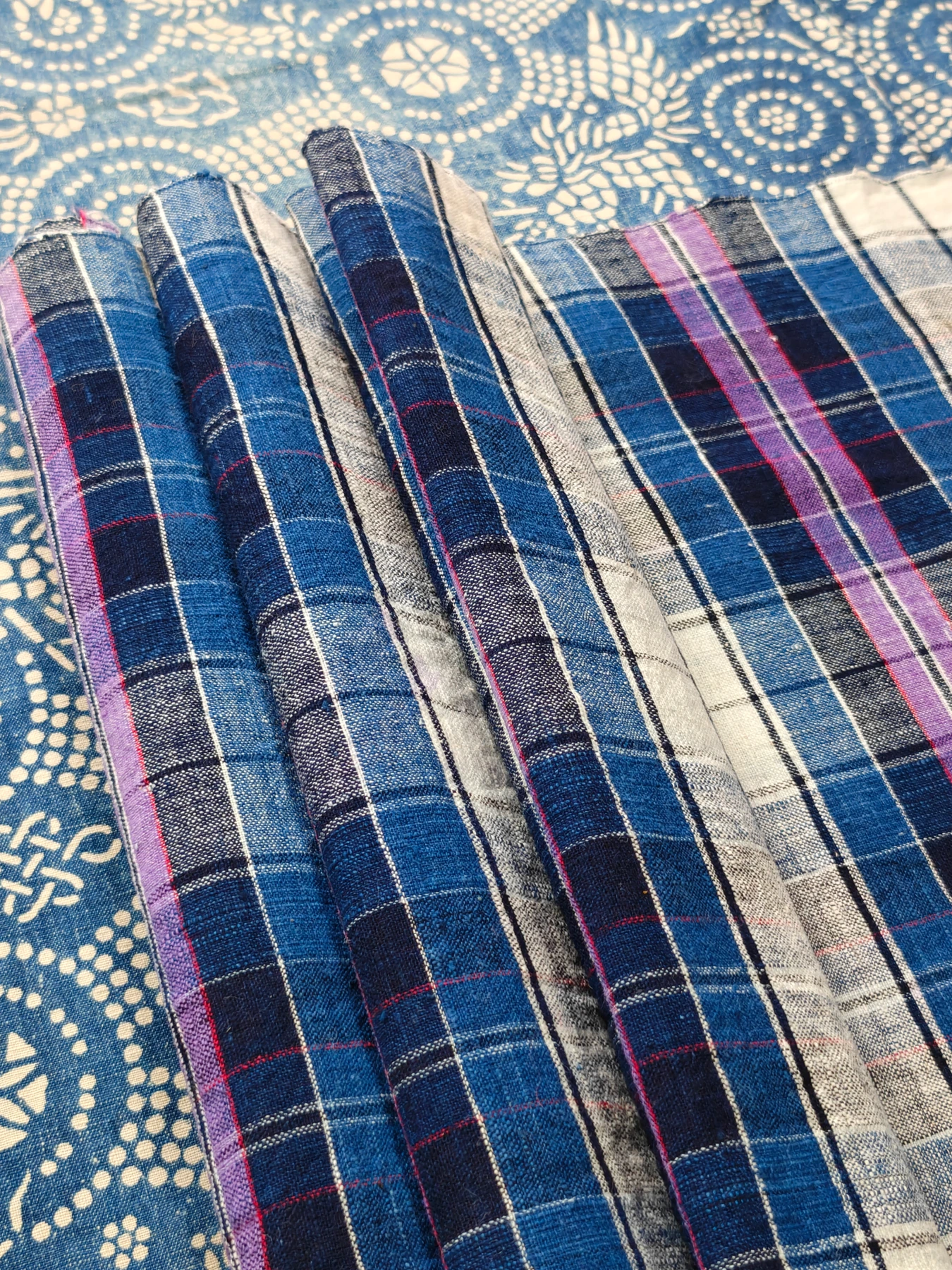
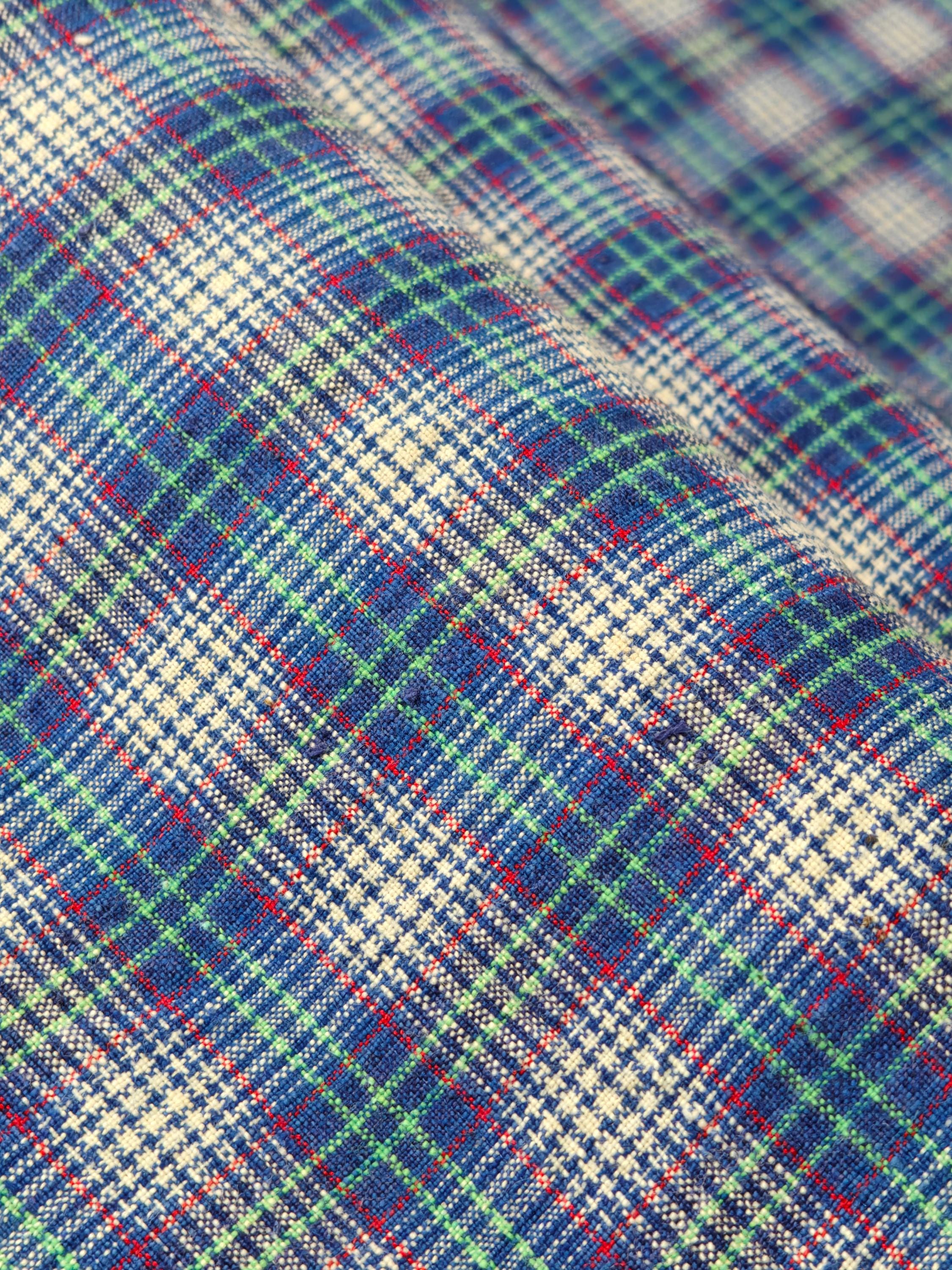
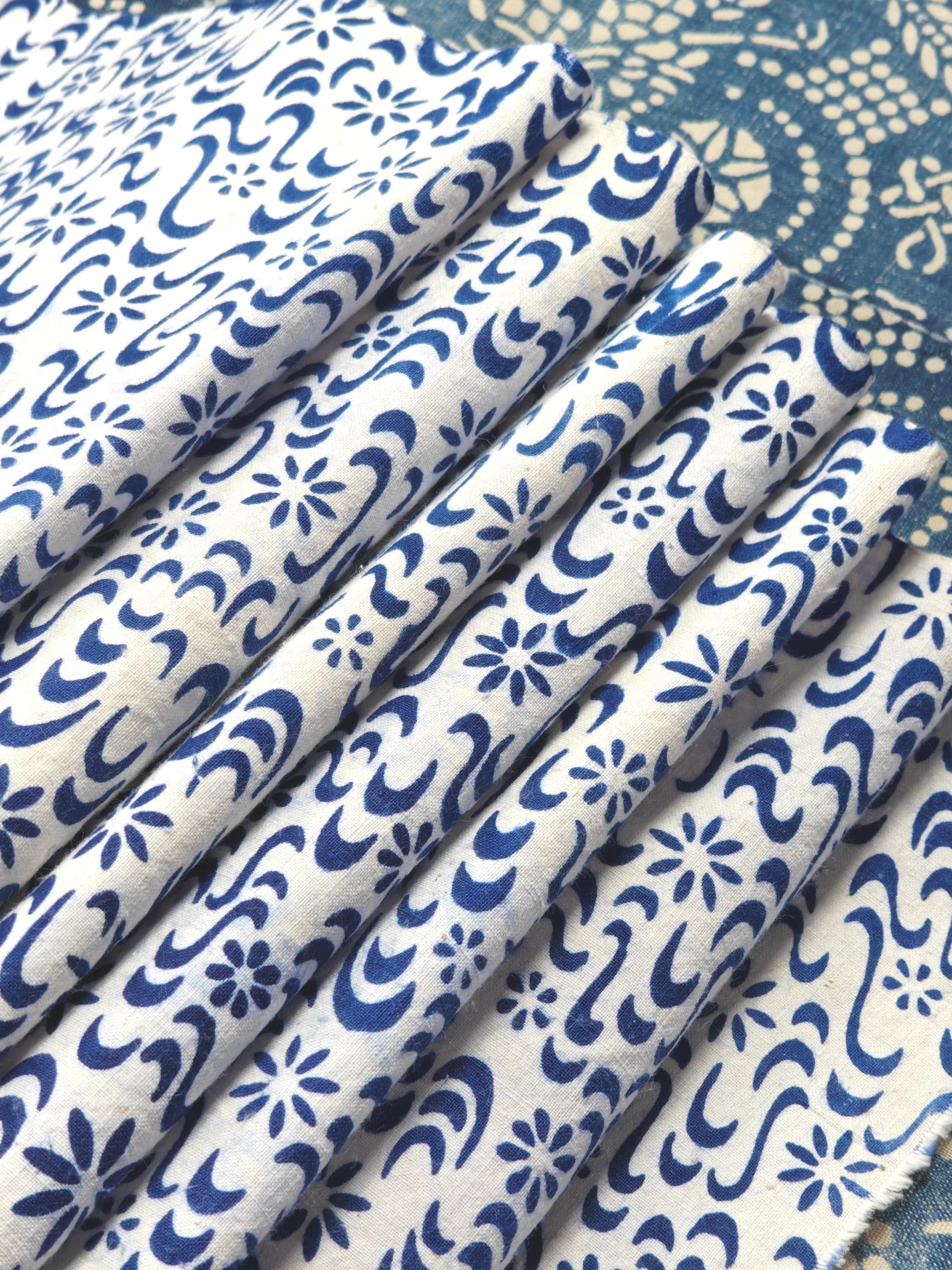
Estimated Republican era (pre-1949) · Traditional hand-spun Xiao Hua Sha 小花纱 cotton, thick, exceptionally soft and fluffy (owner attribution)
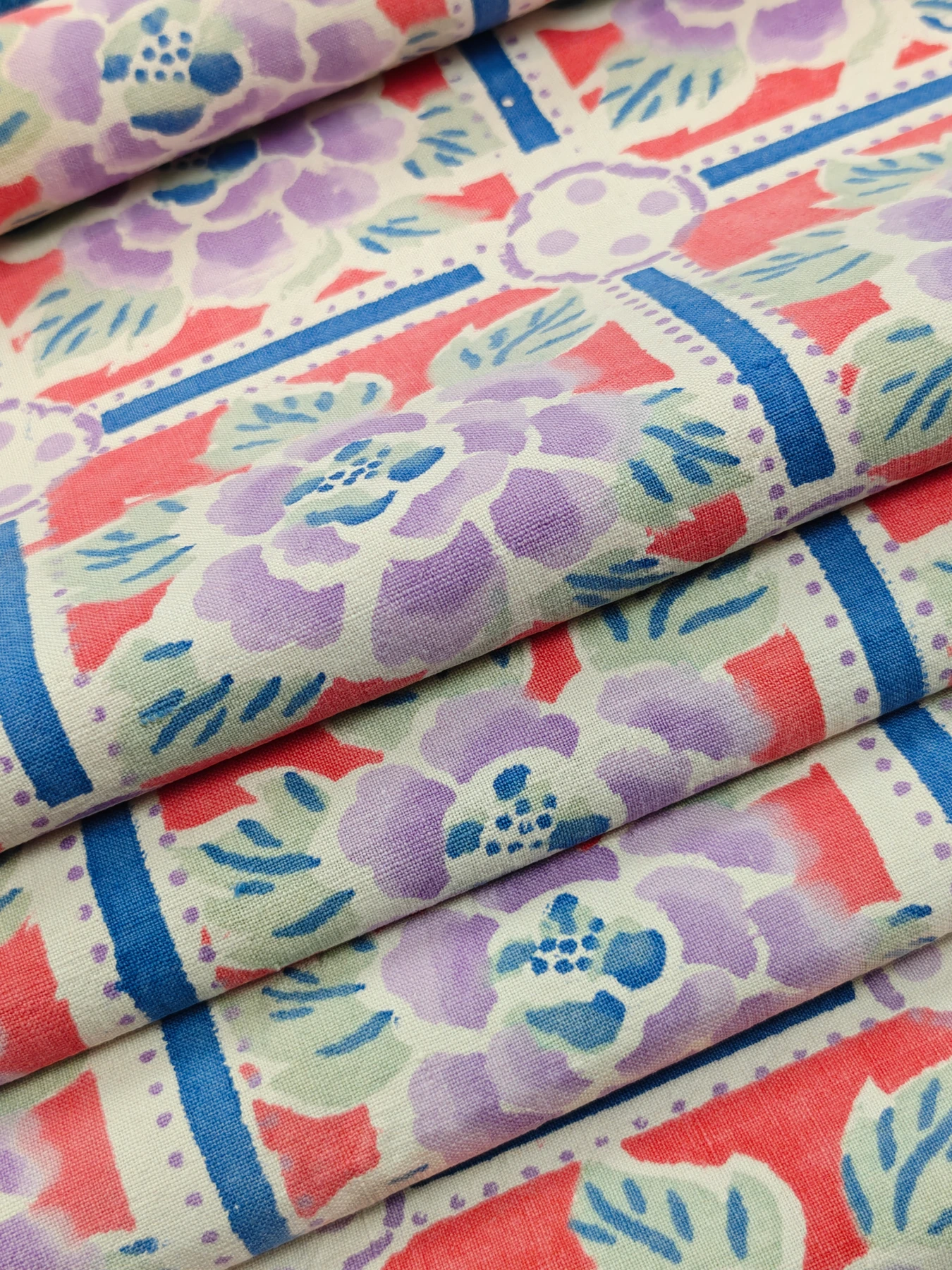
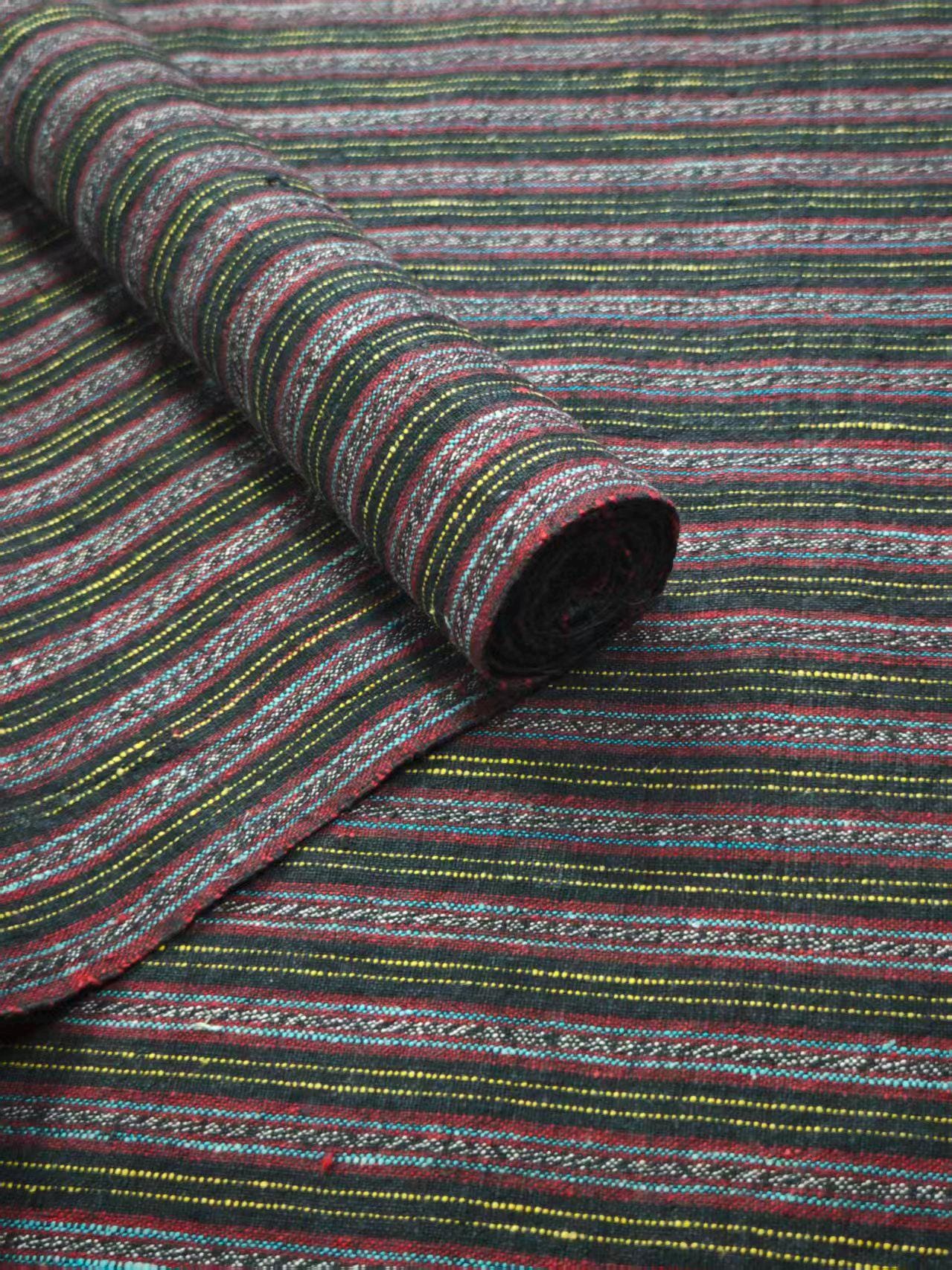
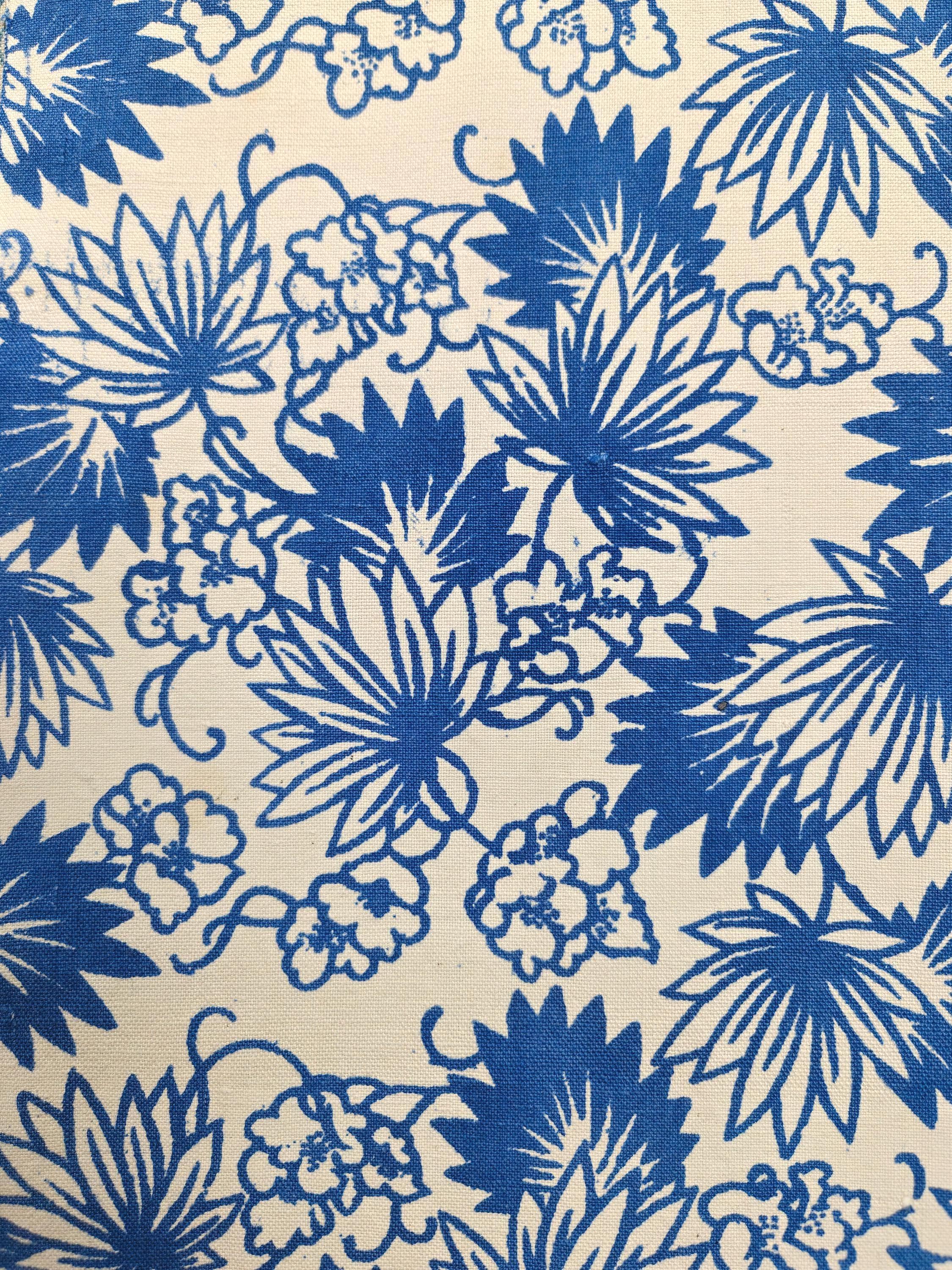
Estimated early People’s Republic period · Substantial, thick and soft traditional hand-spun, handwoven cotton (owner attribution)
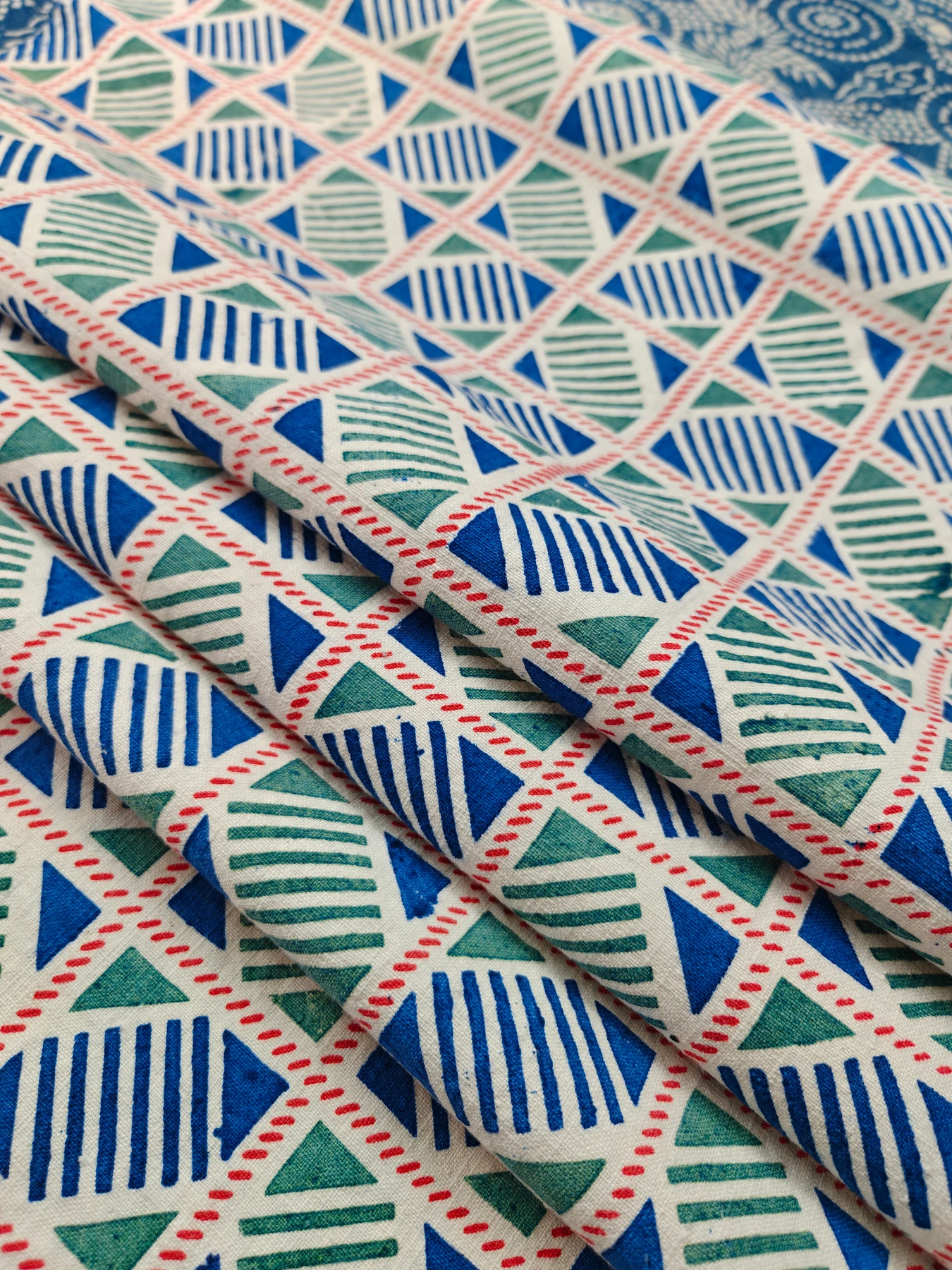
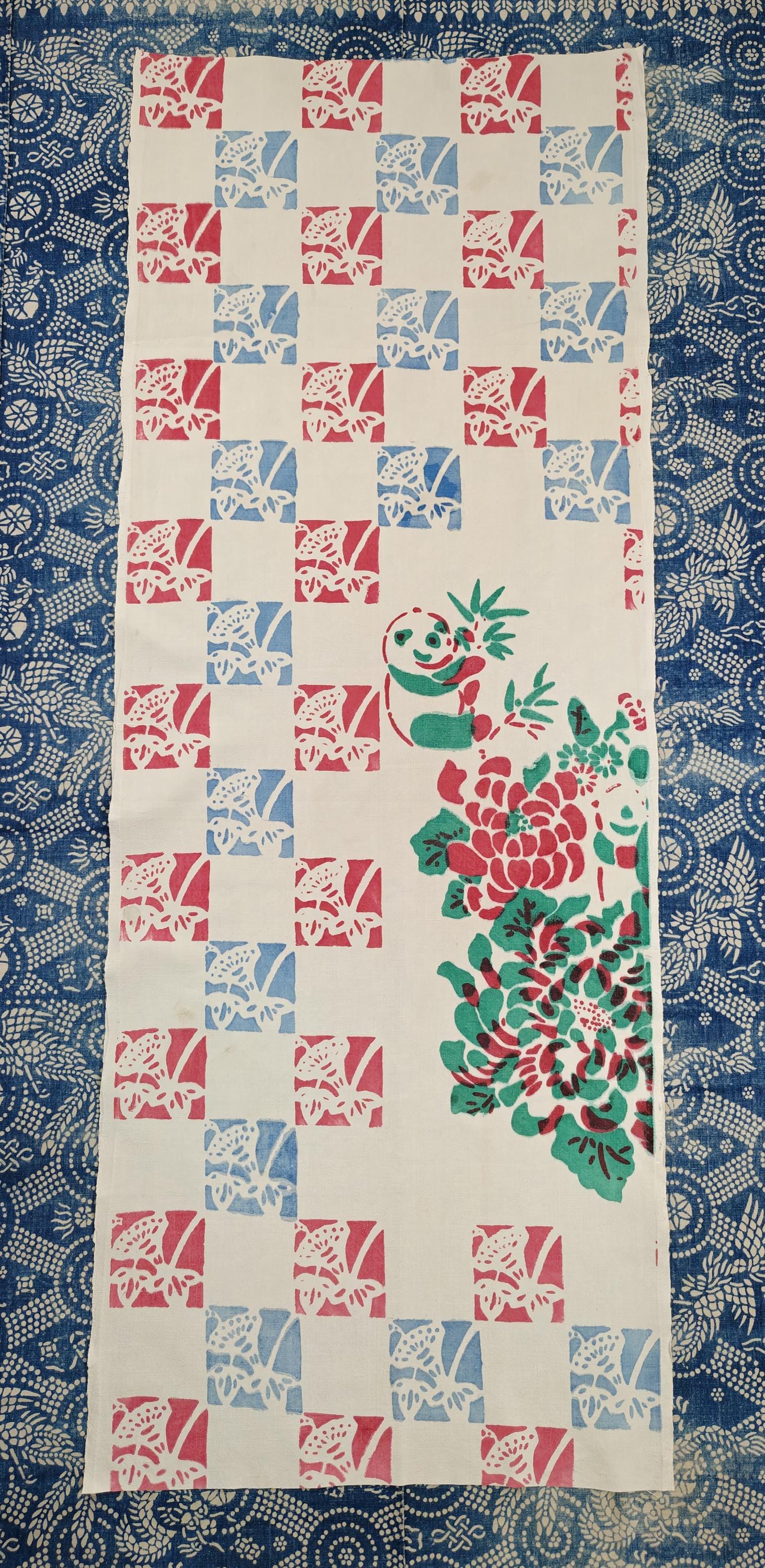
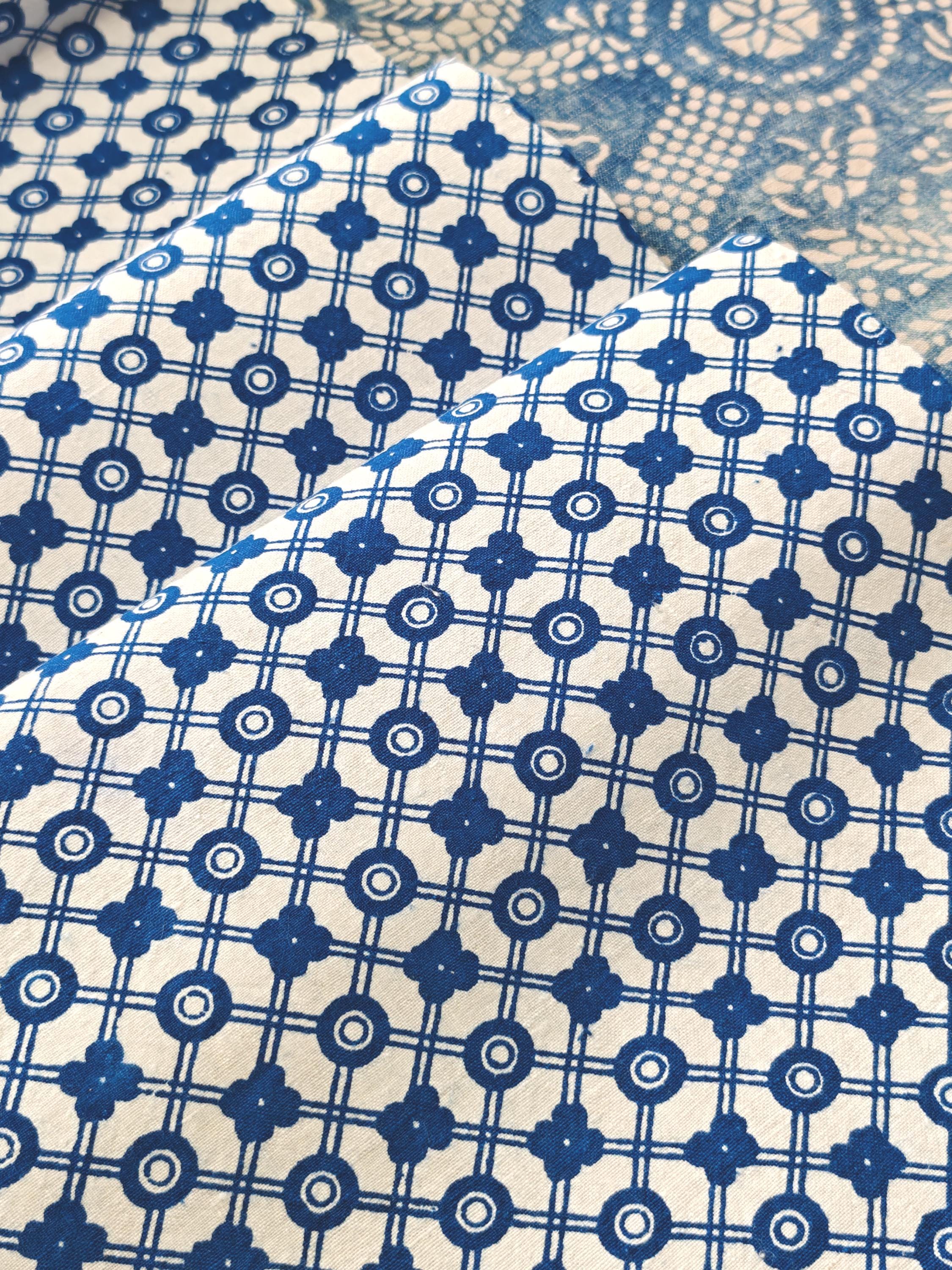
Estimated Republican era–early People’s Republic period · Substantial, thick and soft traditional hand-spun cotton (owner attribution)
Evergreen knowledge pages designed to support both research and search discovery.
Compare Chinese reed-mat patterns through original textiles: seven-by-seven and nine-by-six blocks, double-sided Kou Zi and Jing Zi grids, and Shandong Lu Jin.
Explore Chinese blue printed cotton, Nantong paste-resist dyeing, handwoven tubu, and why vintage cloth can reflect different printing traditions.
Discover how traditional Chinese homespun cotton was made, from preparing fibres and spinning yarn to warping and handloom weaving, with original Nantong textile examples.
Objects remain searchable after sale, preserving photography, attribution and notes.
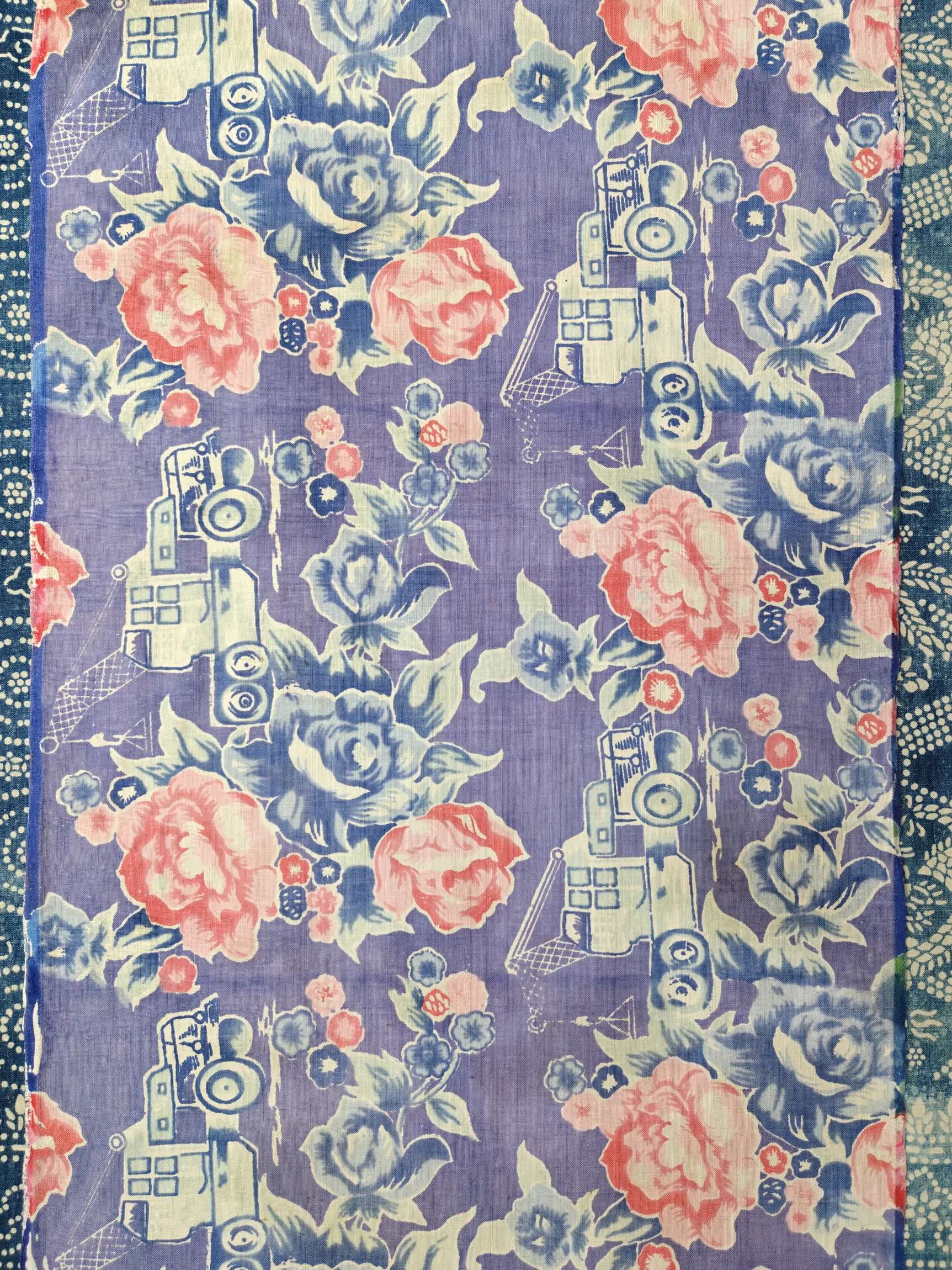
Attributed to c. 1950s–1960s (unverified) · Traditional hand-spun cotton (owner description); relatively thin, soft and flexible; fibre and production methods not independently tested
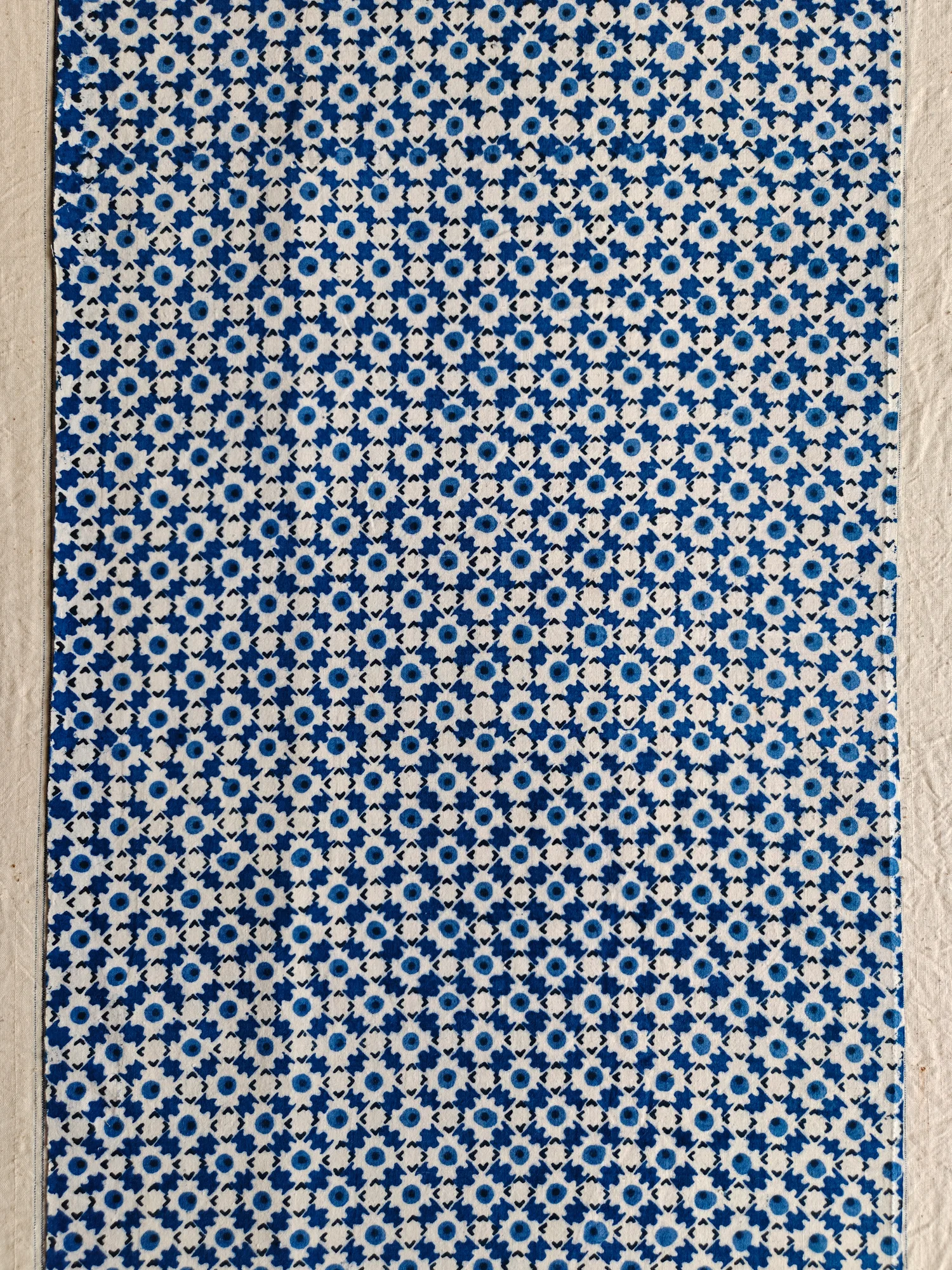
Estimated c. 1960s–1970s · Older cotton, narrow-width homespun ground with handspun-style yarn characteristics (attributed)
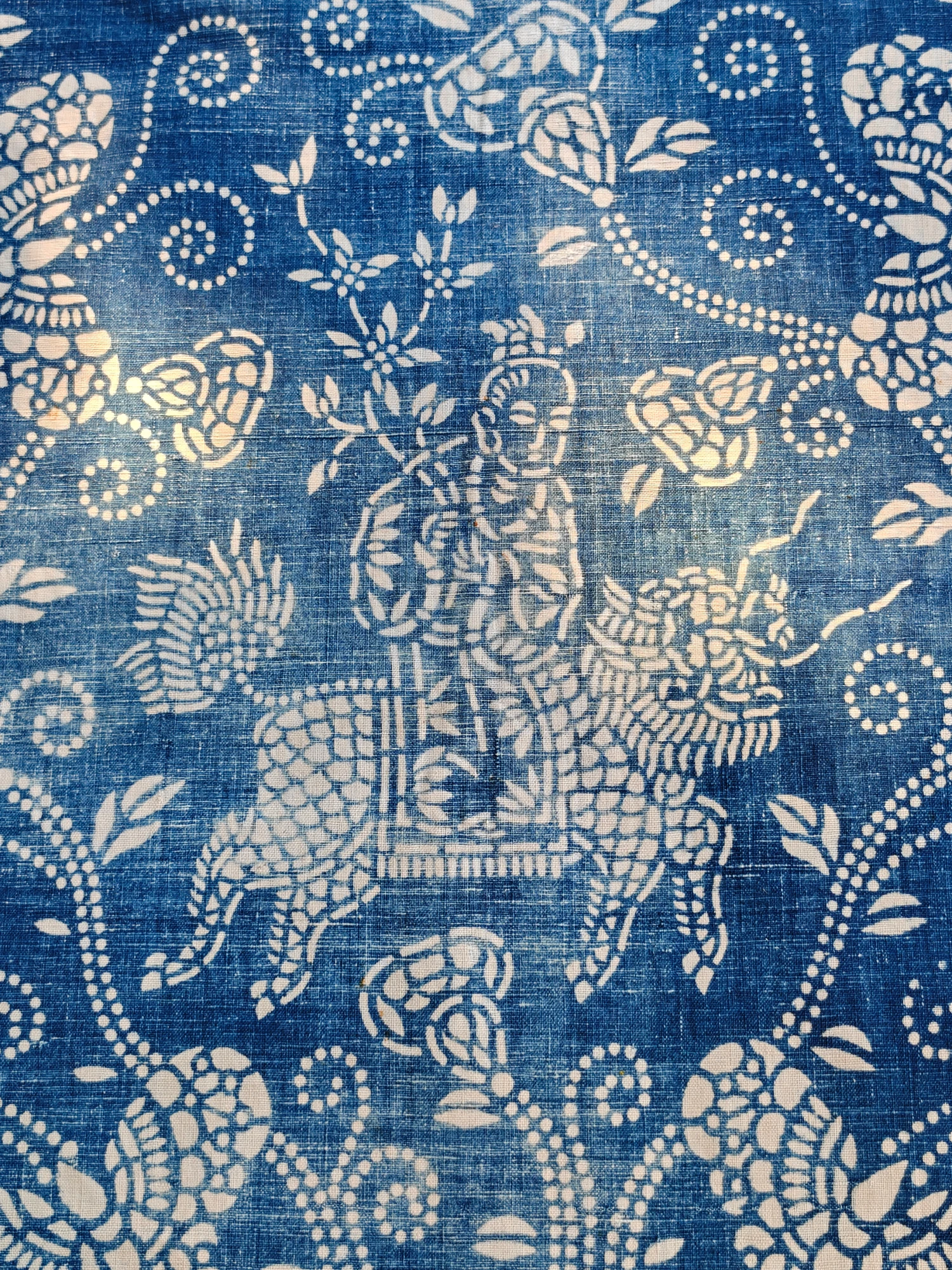
c. 1950s · Homespun cotton
Mid-20th century (estimated) · Old cotton described as handspun, handwoven plain weave
Each record separates observable facts from attribution. Confidence can be confirmed, probable, estimated or under review, so the archive can improve without losing its history.
How we document →